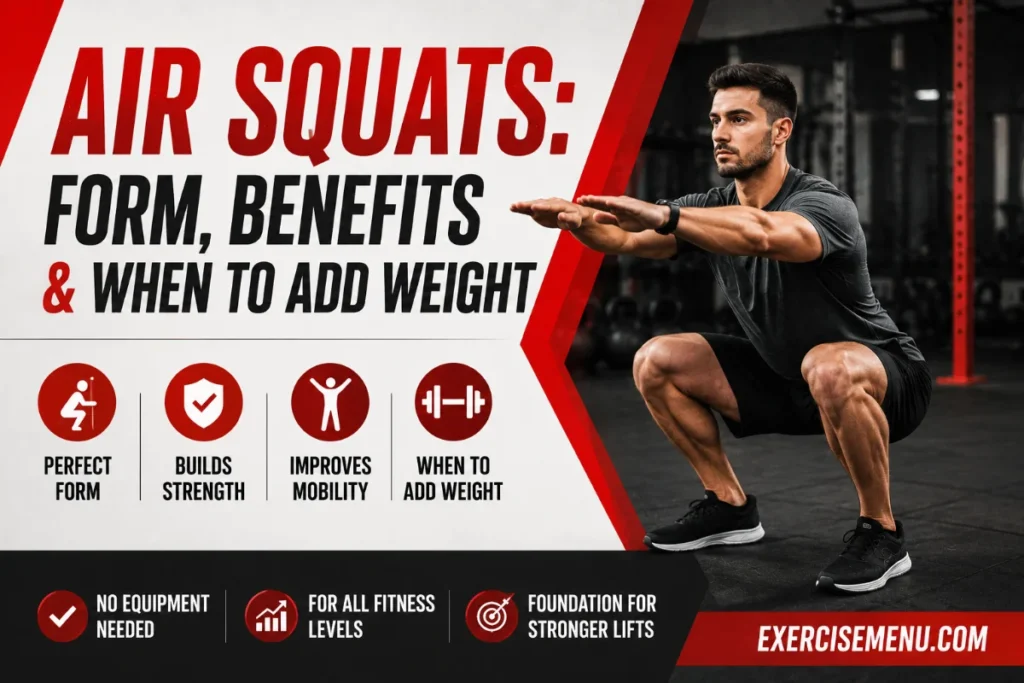
Quick Answer: The air squat is a bodyweight squat performed without equipment. It trains the quadriceps, glutes, hamstrings, adductors and core. Stand with feet shoulder-width apart, squat until your hip
Quick Answer: Among trained lifters, the average barbell back squat is roughly 287 lb / 130 kg for men and 161 lb / 73 kg for women at the intermediate
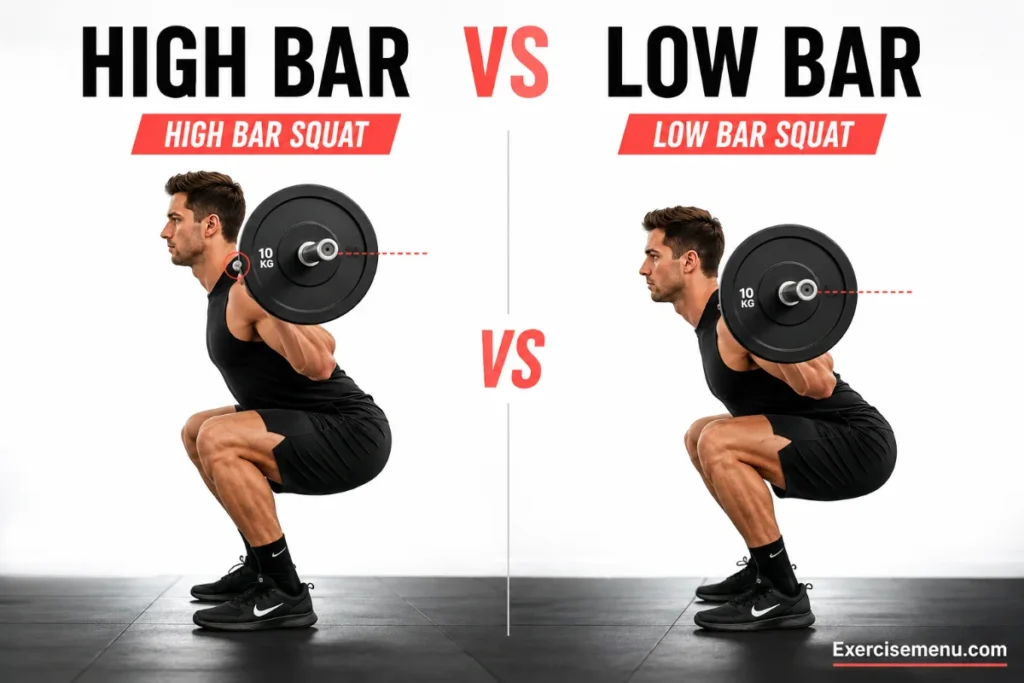
A practical comparison of bar placement, mechanics, muscle demand and how to choose the right position. Quick Answer: High bar places the barbell on the upper traps, keeps the torso
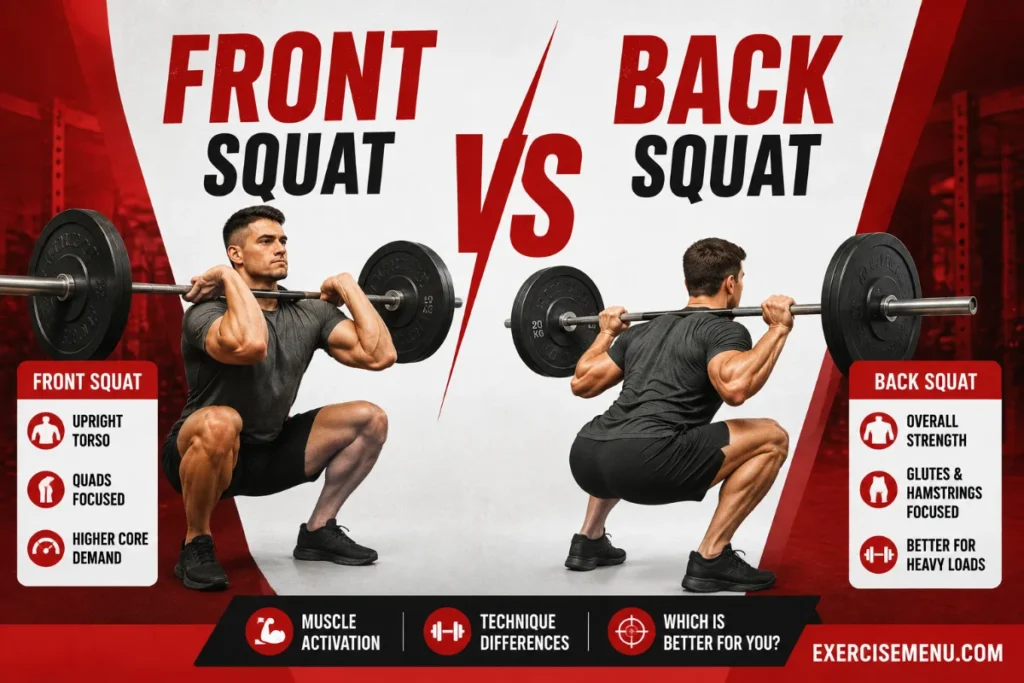
Quick Answer: Both lifts train quadriceps, glutes, adductors, hamstrings and trunk. Front squats keep the torso more upright and bias knee-extensor demand; back squats permit heavier loads and more hip
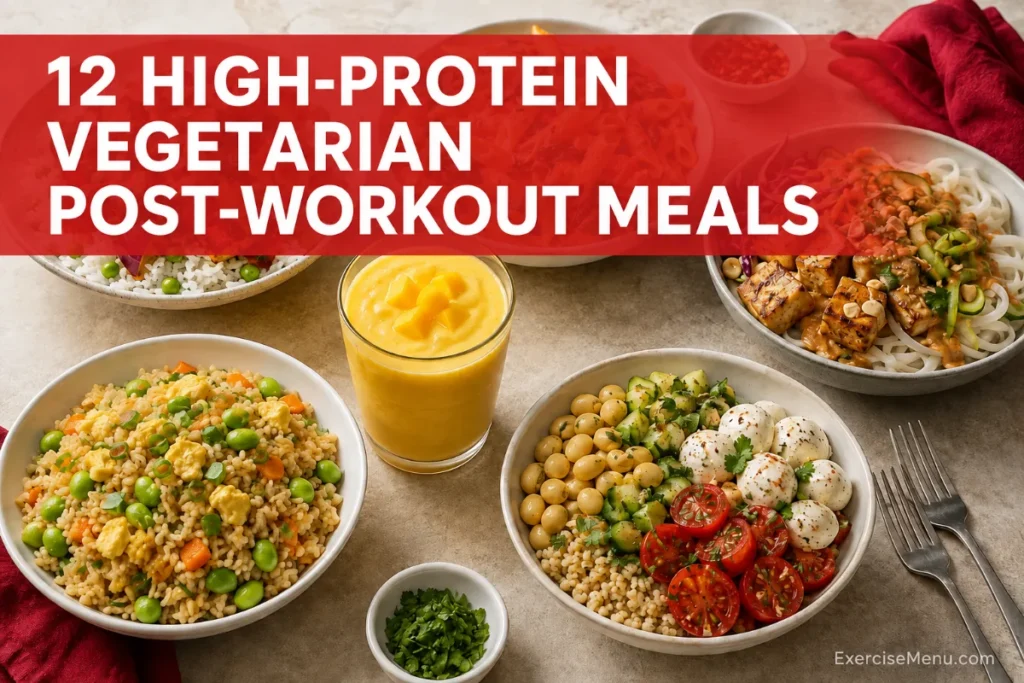
Quick Answer: A useful vegetarian post-workout meal combines a measured protein anchor—such as eggs, dairy, soy, seitan or a planned legume mix—with carbohydrate that fits the session. A universal 30-minute
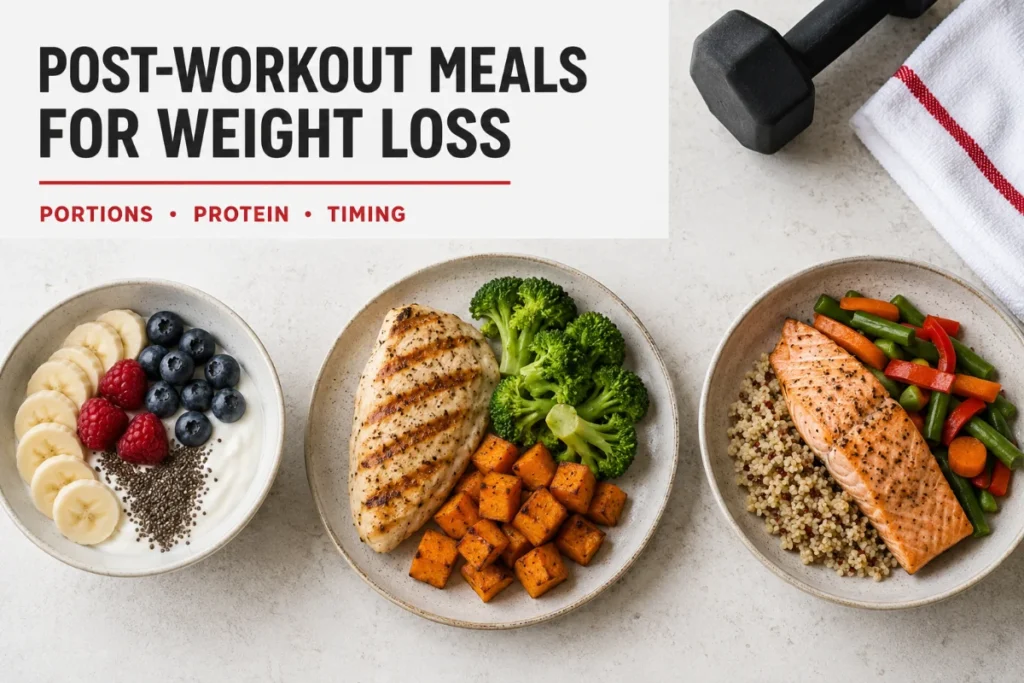
Quick answer: Fit your post-workout food inside your daily calorie target instead of treating it as a reward for exercising. After hard strength training, HIIT or long cardio, choose protein
Quick Answer: The strict 30-minute anabolic window is a myth for most people. Muscle protein synthesis stays elevated for up to 24 to 48 hours after resistance training, and total
Quick Answer: Working out on an empty stomach is fine for light cardio under 60 minutes. For strength training, occasional fasted sessions won’t hurt your gains if daily protein intake
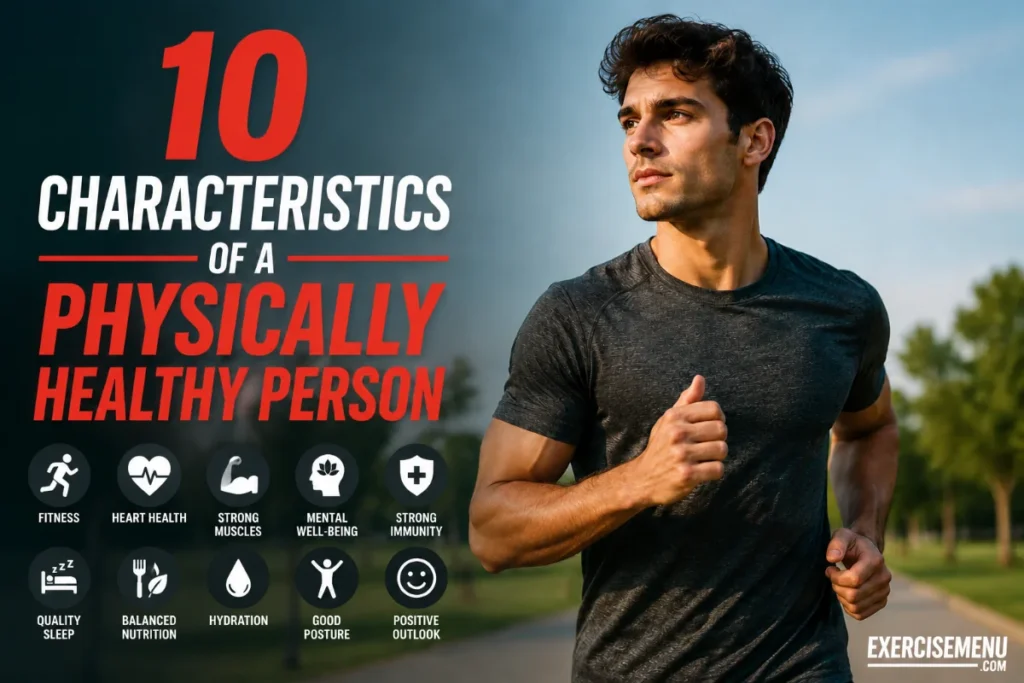
Quick Answer: A physically healthy person shows 10 measurable characteristics. They eat a balanced diet, exercise regularly, avoid harmful habits, and can perform daily activities without unusual fatigue. Their resting