Quick Answer: Isometric exercises are static holds where your muscles produce force without changing length, the opposite of isotonic movements like squats or curls. Planks, wall sits, and glute bridges
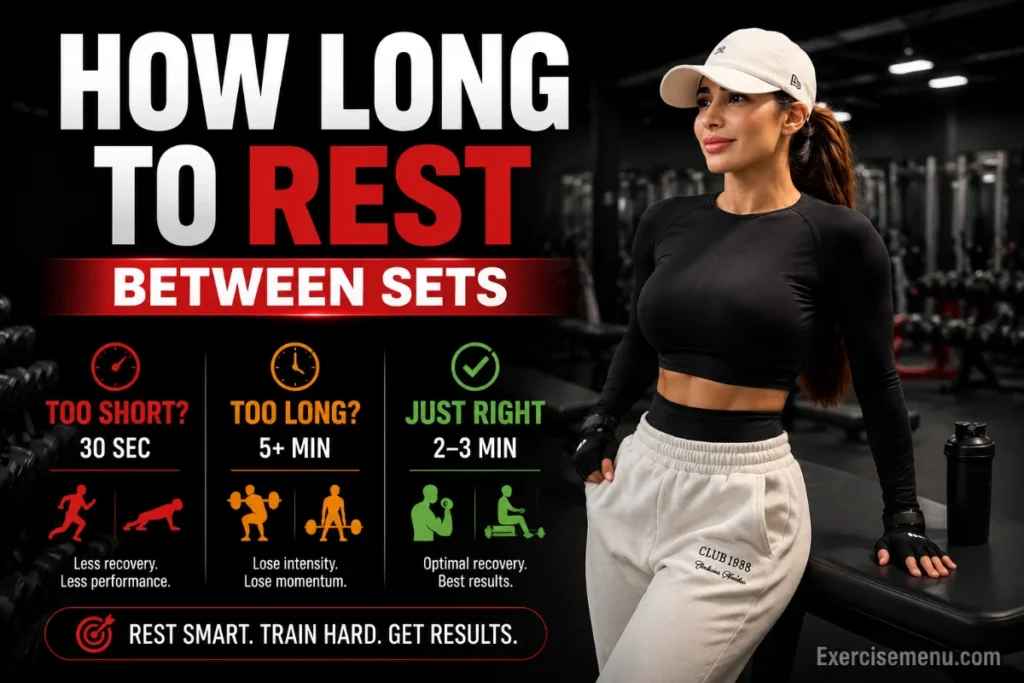
Quick Answer: Rest 3–5 minutes for strength, 2–3 minutes for muscle growth, and 30–60 seconds for endurance. Compound lifts need longer rest than isolation exercises. A 2024 meta-analysis confirmed that
QUICK ANSWER: Compound exercises use multiple joints and train several muscles per movement — squats, deadlifts, bench press. Isolation exercises use one joint and target a single muscle — bicep
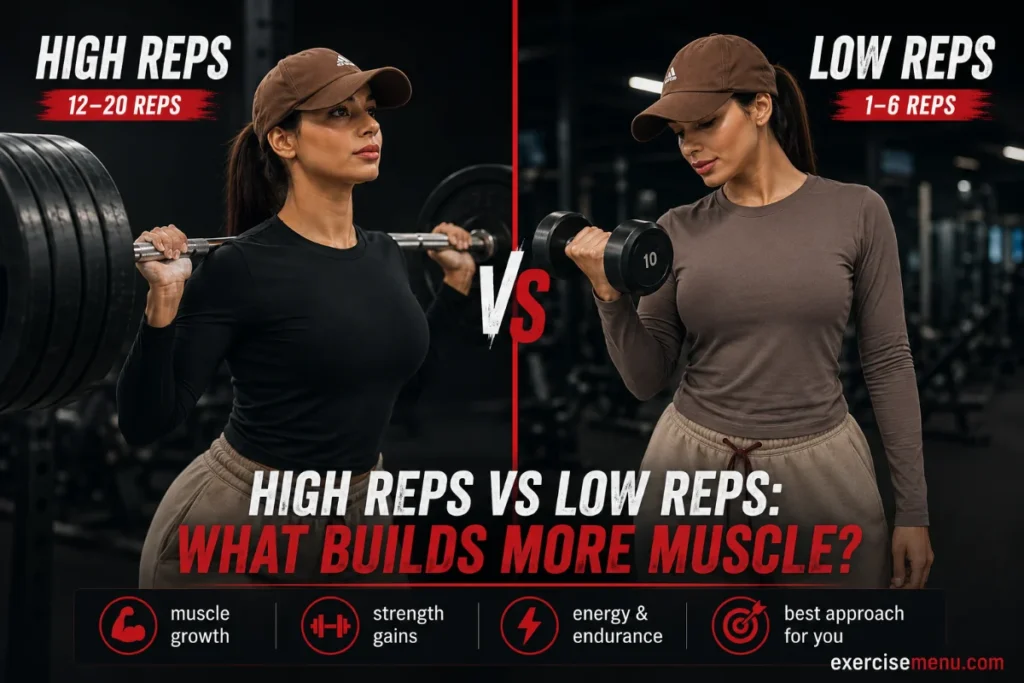
Quick Answer: Most gym advice says heavy weight builds muscle and light weight “tones.” Research says otherwise. Both rep ranges produce similar muscle growth when effort and volume are matched.
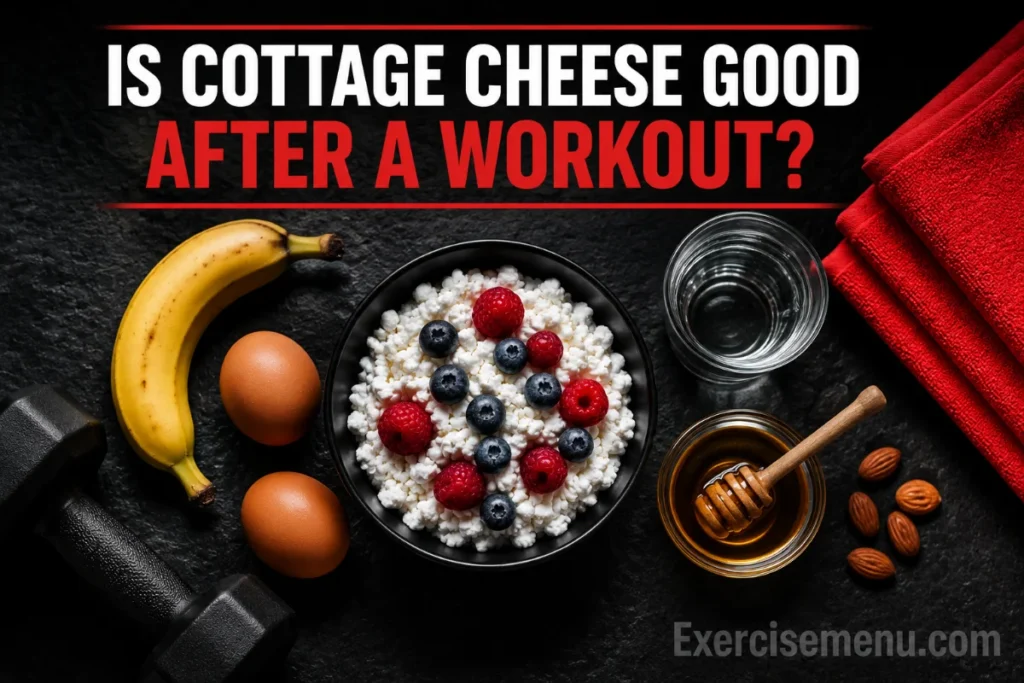
Table of Contents Quick Answer: What Makes Cottage Cheese a Strong Post-Workout Protein? When Is Cottage Cheese the Best Post-Workout Option? How Does Cottage Cheese Compare to Other Post-Workout Foods?
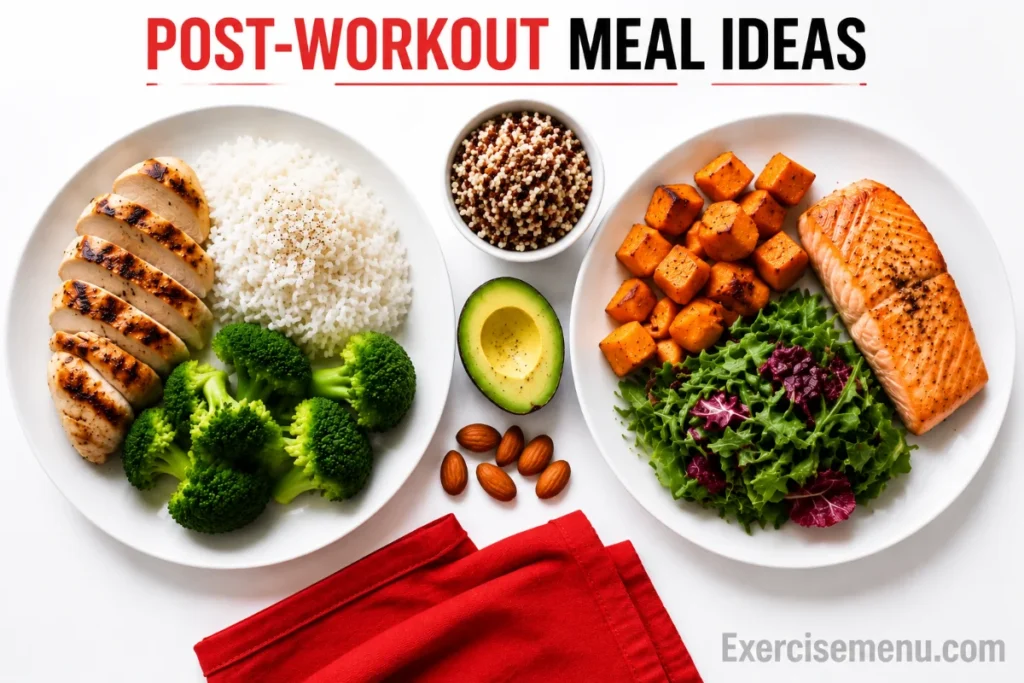
Quick Answer: The best post-workout meals combine 30–40g of protein with 40–60g of carbohydrates and a source of healthy fats — scaled to your training intensity. A light session needs
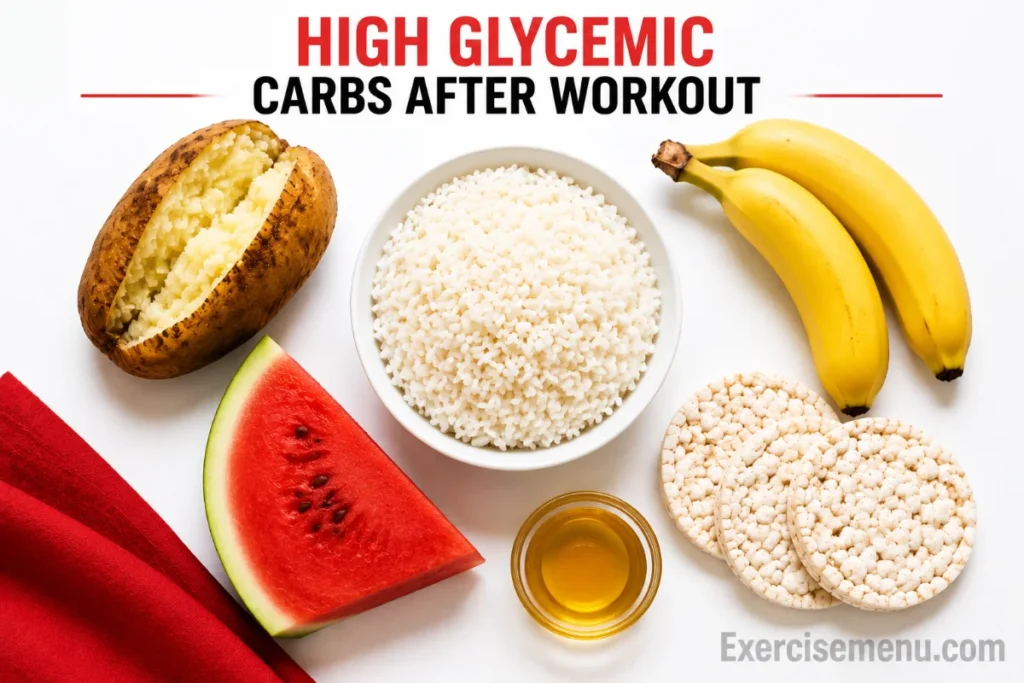
Quick Answer: Only if you are training again within 8 hours or completing endurance work over 60 minutes. In those scenarios, high glycemic carbs restore muscle glycogen faster than low
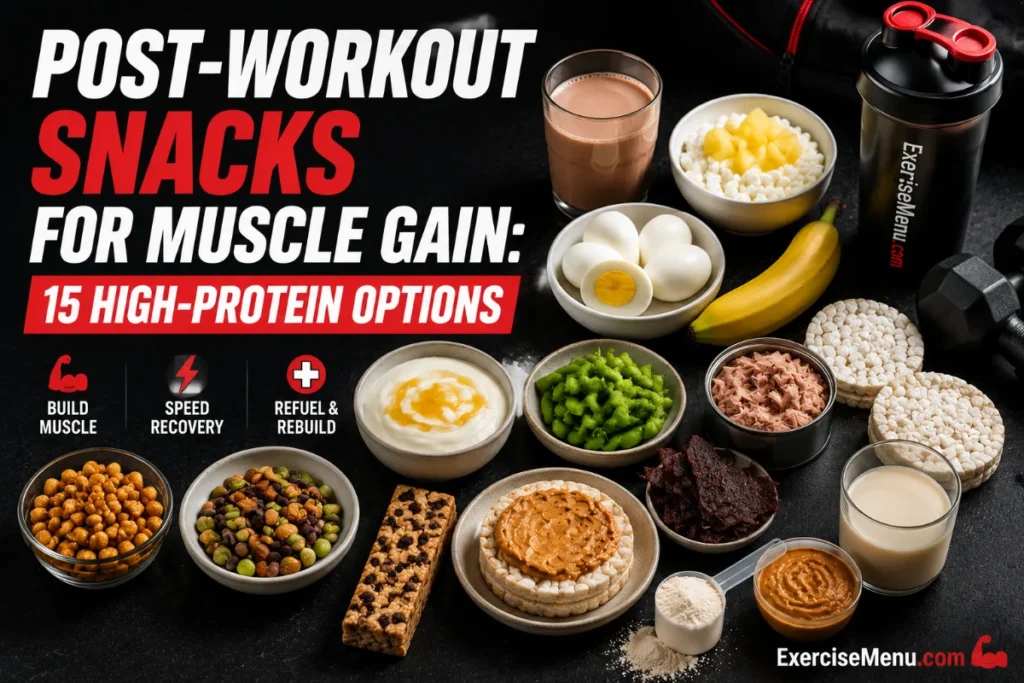
The best post-workout snacks for muscle gain deliver 20–40g of protein with at least 2.5g of leucine — the amino acid that triggers muscle protein synthesis. Greek yogurt, cottage cheese,