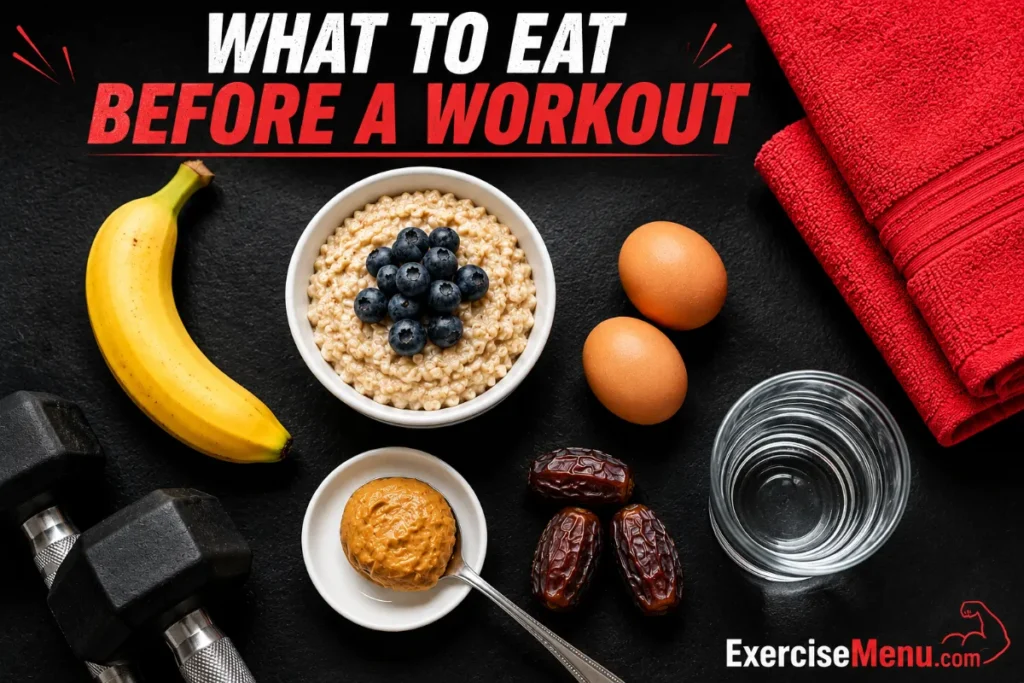
Quick Answer: Eat a mix of carbohydrates and protein 1–3 hours before training. A banana with peanut butter, oatmeal with fruit, or chicken with rice all work. Adjust your portion
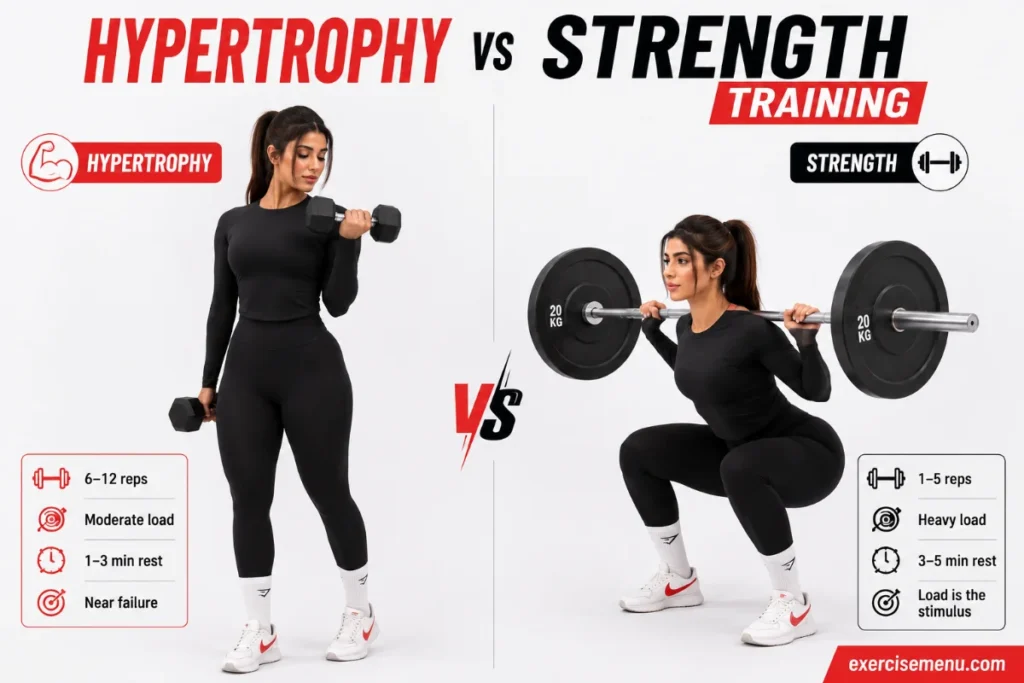
Quick Answer: Hypertrophy training builds muscle size with moderate loads, 6–12+ reps and higher weekly volume. Strength training builds maximal force with loads of 80%+ of your 1RM and 1–5
Table of Contents Key takeaways What does training to failure mean? Should you train to failure? Is training to failure necessary for muscle growth? Pros and cons of training to
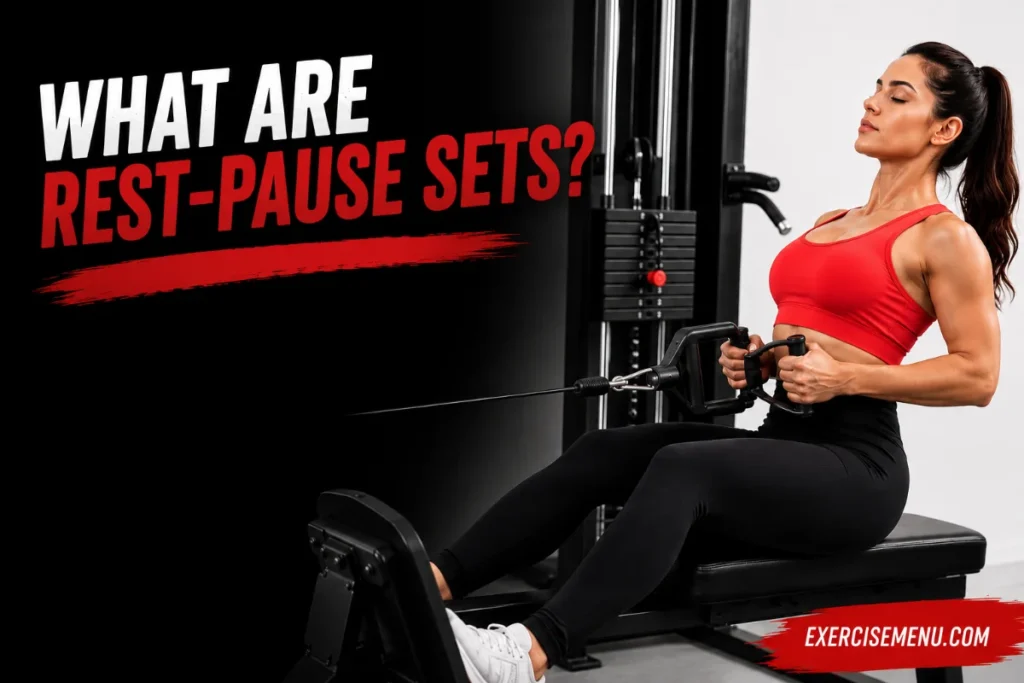
Quick Answer: A rest-pause set is one set broken into mini-sets with 10–20 second rests between them. You lift to failure, rest briefly, then continue for a few more reps.
Quick Answer: Track four things every session: exercise name, sets, reps, and weight used. Use a notebook or app — whichever you’ll open consistently. Review your log weekly to catch
Quick Answer: You can progressive overload without adding weight by increasing reps, slowing tempo, cutting rest periods, increasing range of motion, or switching to harder variations. Research shows rep progression
Quick Answer: A 2026 study on untrained lifters found progressive overload roughly doubles muscle growth versus training with the same weight and reps every session. Beginners should add a little
Quick Answer: A medicine ball trains strength, power, and core stability through pressing, throwing, and rotating movements. The guides below cover every muscle group — legs, arms, back, chest, shoulders,
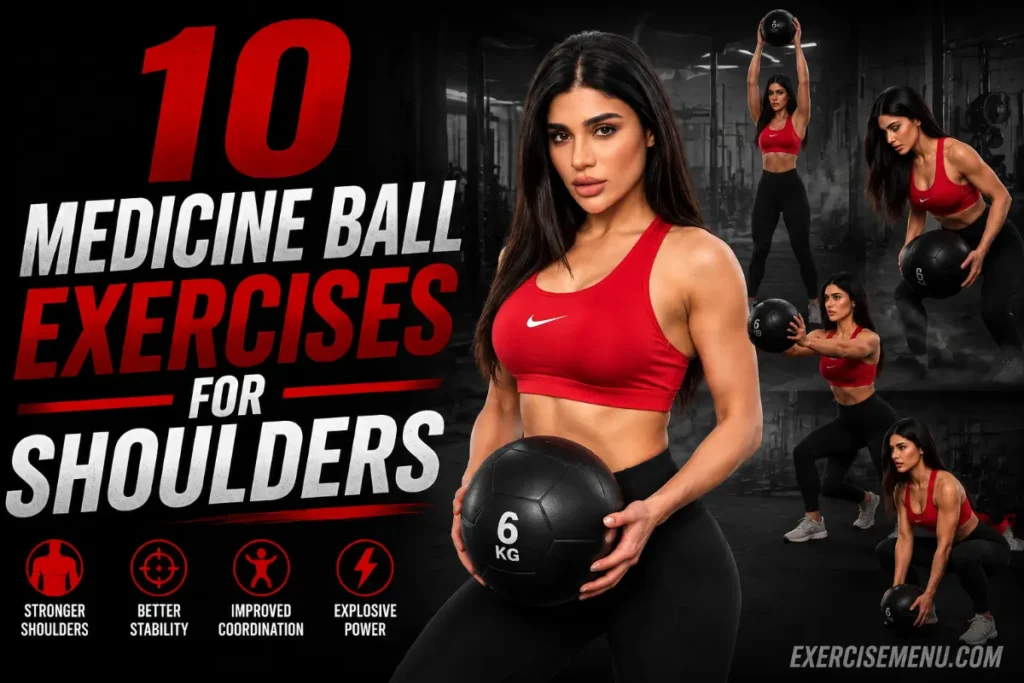
Quick Answer: Medicine ball exercises train the shoulders through pressing, stability, and explosive movements that dumbbells can’t replicate, building strength and control together. Start with a 4–8 lb ball for