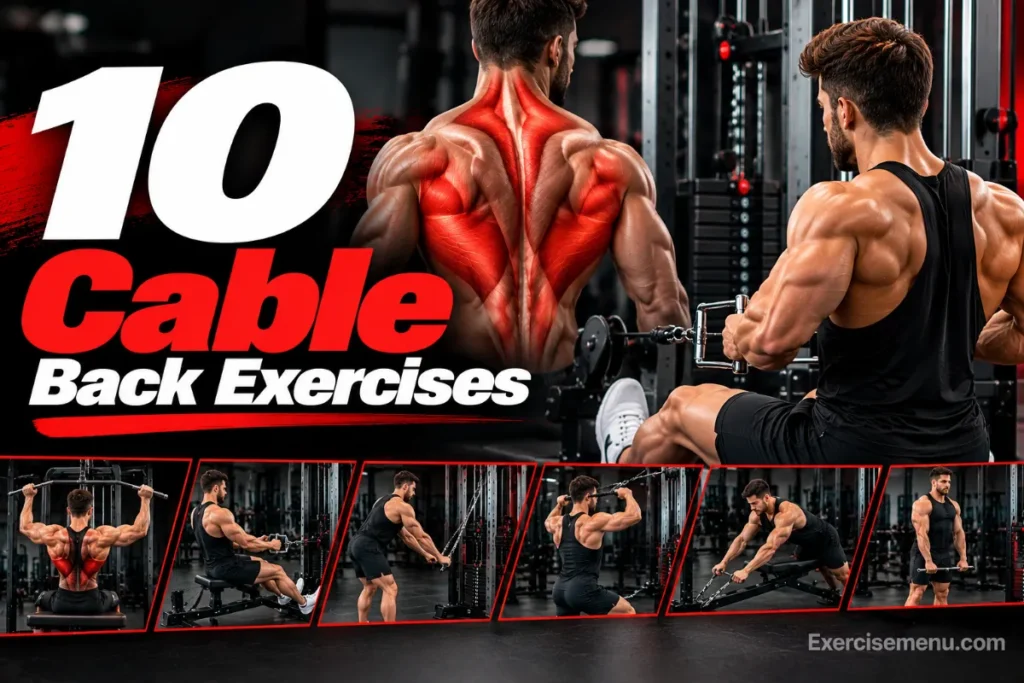
Quick Answer: 39 words / 244 characters Overhead pulls like lat pulldowns build width through the lats. Horizontal pulls like seated rows build thickness through the mid-back. Train both directions
If you’ve coached people for any length of time, you have come across this one. Someone is making steady progress for months, then their numbers stall for no obvious reason.
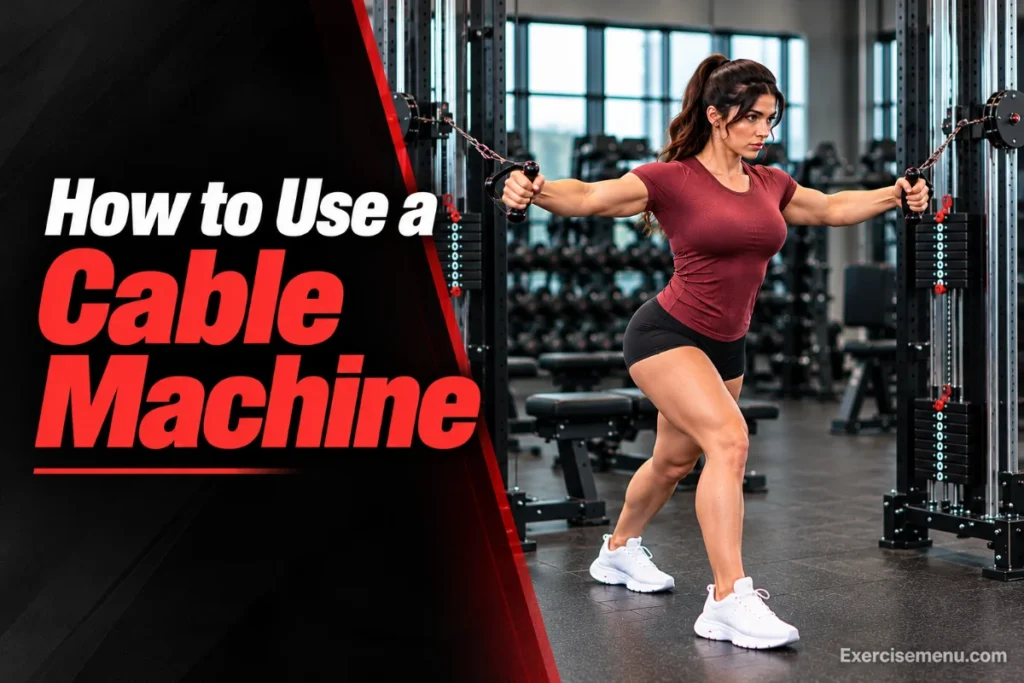
Quick Answer: Set the pulley height for your exercise, clip on an attachment, choose a light weight, then step away from the column until the cable is taut before your
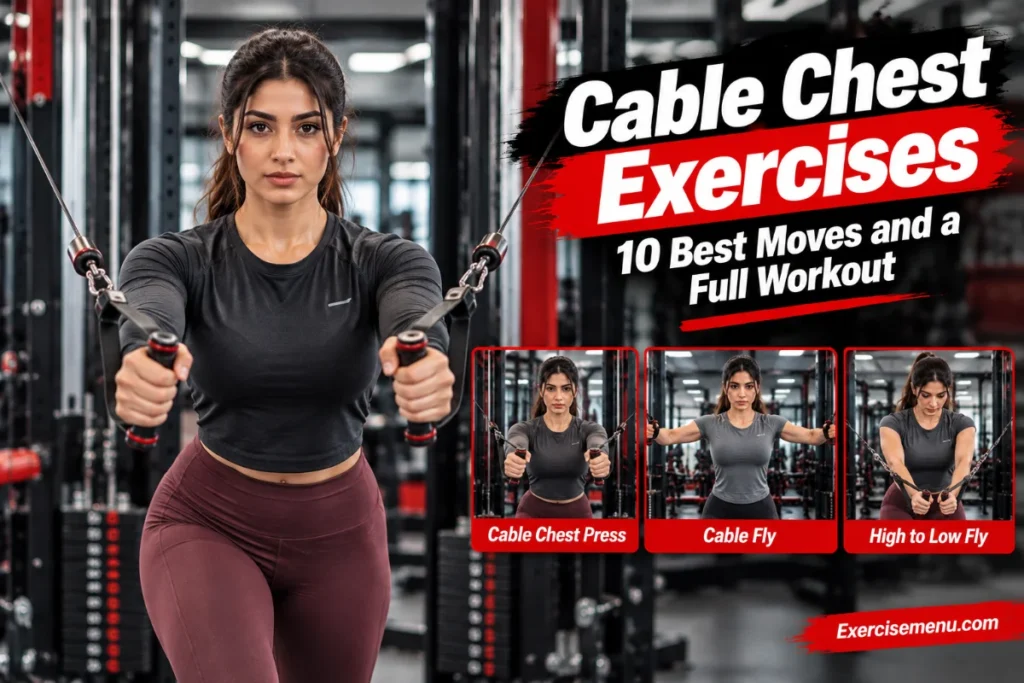
Quick Answer: Set the pulley low for upper chest, at shoulder height for mid chest, and high for lower chest. The best cable chest exercises are the low-to-high fly, standing
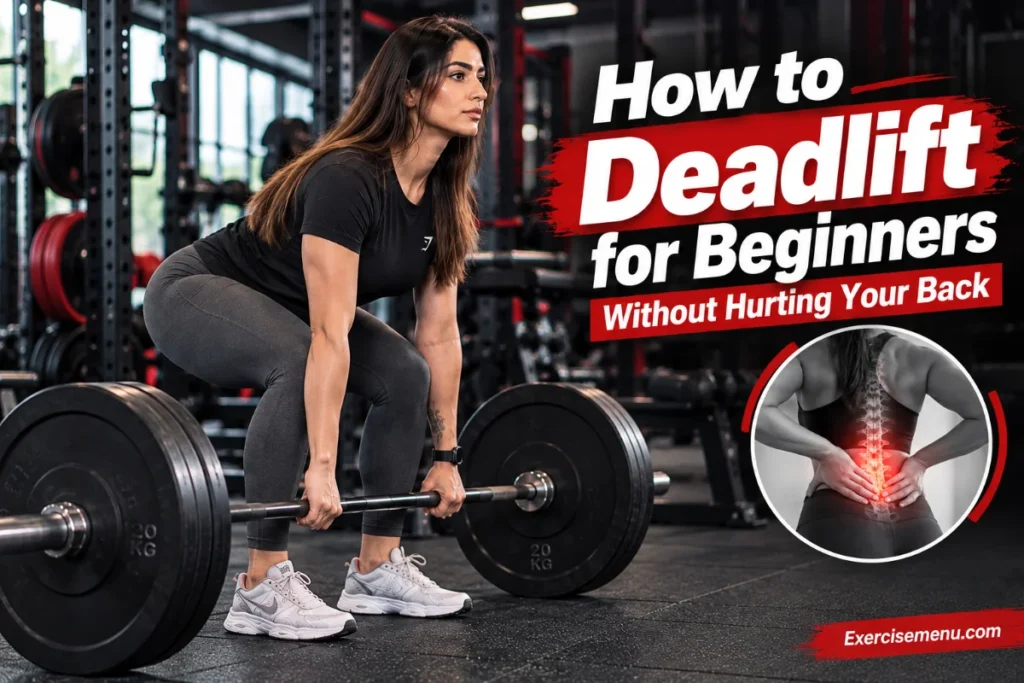
Quick Answer: Stand with the bar over your mid-foot, grip just outside your legs, bend your knees until your shins touch the bar, set your back flat, brace your core,
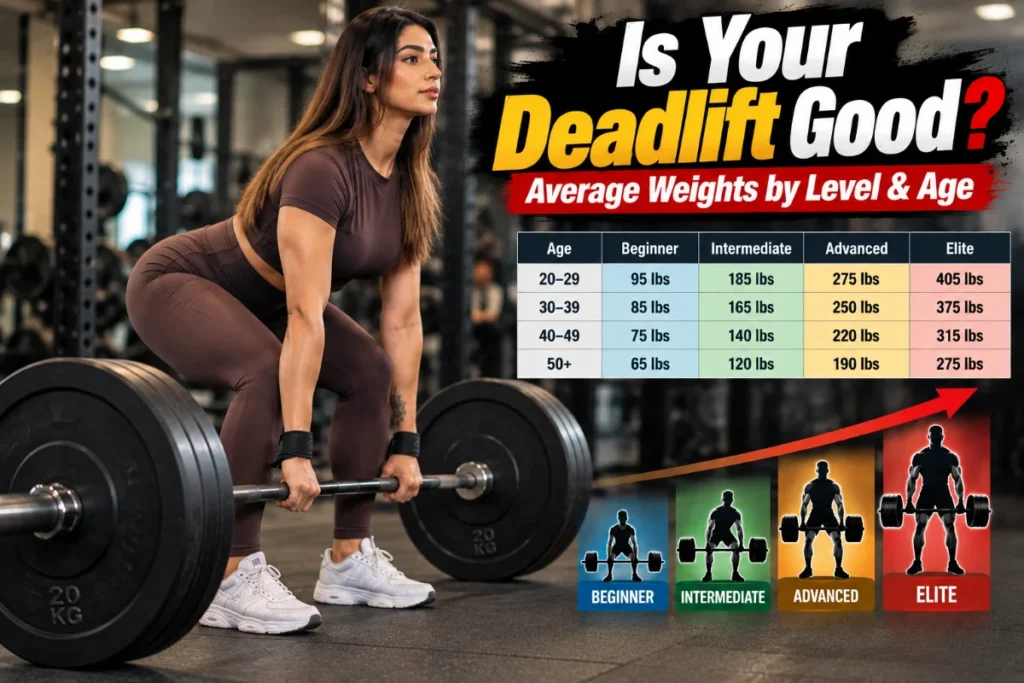
Quick Answer: The average deadlift is 340 lb (154 kg) for men and 200 lb (91 kg) for women at intermediate level, stronger than 50% of lifters. For untrained adults
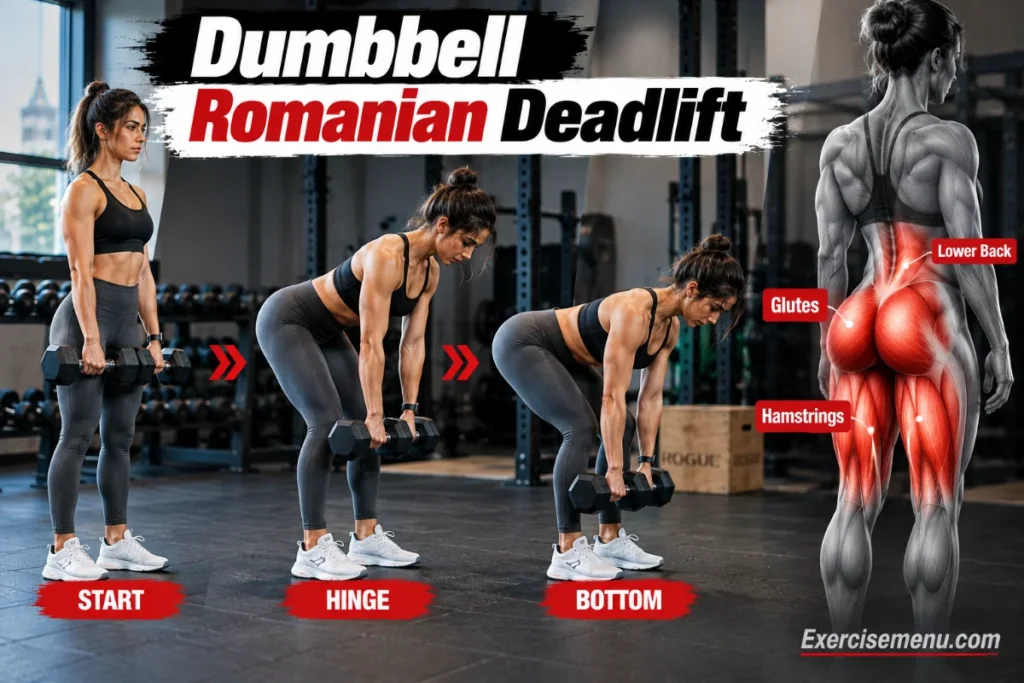
Quick Answer: The dumbbell RDL is a hip hinge exercise where you push your hips back and lower two dumbbells down your legs with a soft knee bend, then drive
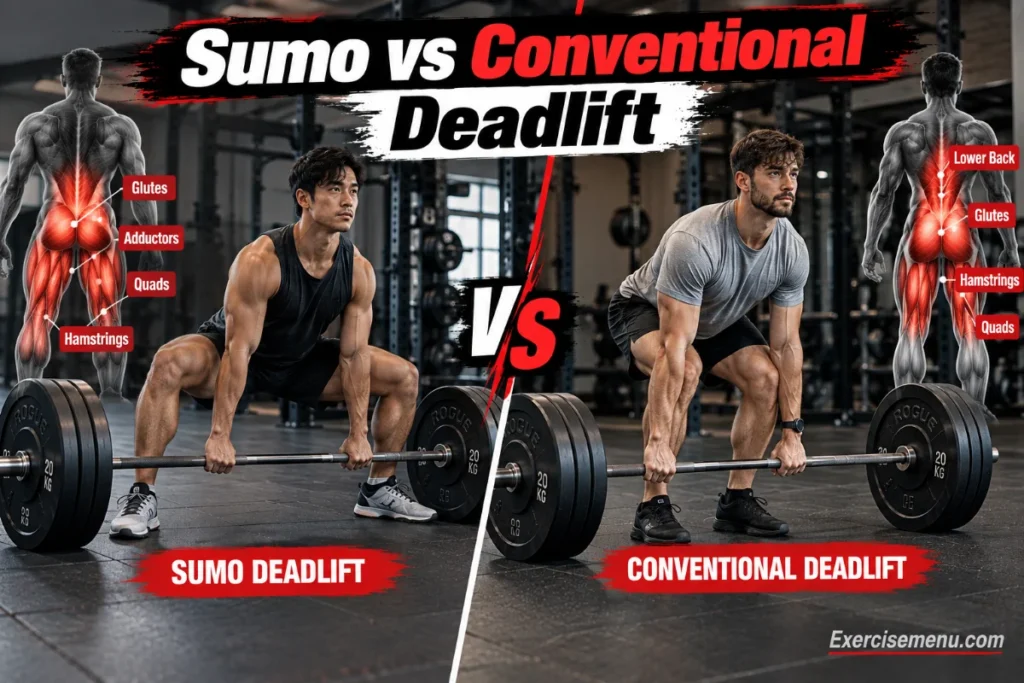
⚡ Quick Answer: Sumo and conventional deadlifts are both hip-hinge pulls from the floor. Sumo uses a wide stance and loads your quads, adductors, and glutes more. Conventional uses a
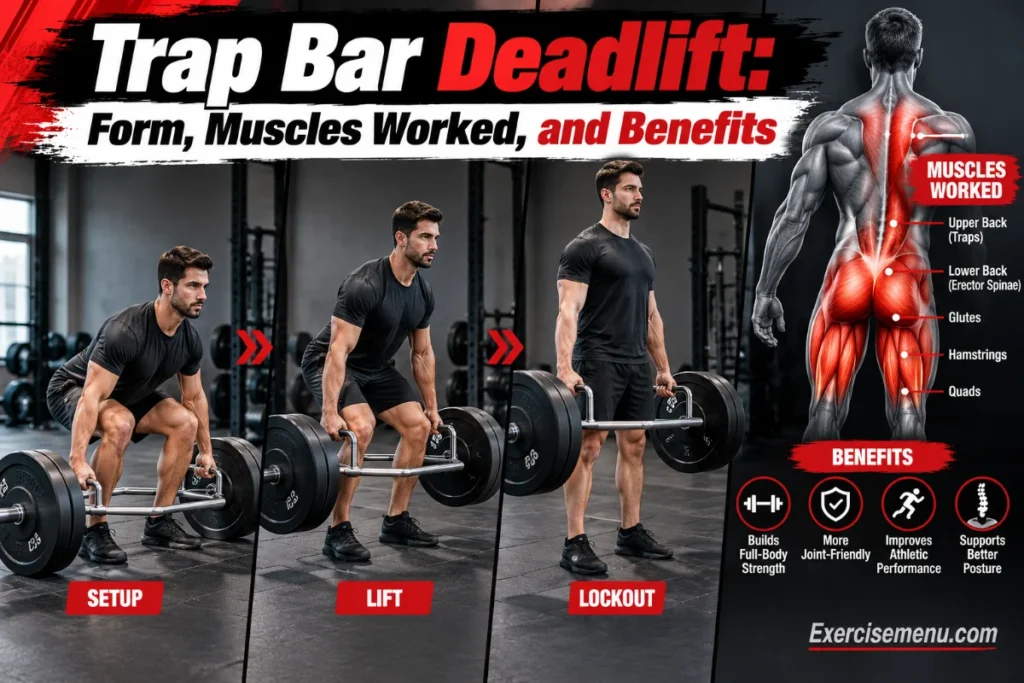
Quick Answer:The trap bar deadlift is a compound lift performed inside a hexagonal bar. It works your glutes, quads, hamstrings, upper back, and core. Because the weight sits at your