


| Quick answer: Adults over 40 can support muscle by eating enough total energy, setting protein from body weight and doing resistance training at least twice weekly. This sample week uses three meals and two snacks per day. Because 1,800 calories is not suitable for everyone, use the protein and calorie adjustment tables before following it. |
This 7-day diet plan for adults over 40 combines adequate energy, protein-rich meals, fibre-rich plants and regular resistance training to support muscle maintenance. The worked example provides about 1,800 calories, 124–136 grams of protein and 30–35 grams of fibre per day. It must be adjusted for body size, activity, appetite, goals and medical needs.
By Rimsha Shahid, DDNS, MS (HND) — Certified Dietitian & Clinical Nutritionist | Certified Diabetes Specialist (USA)
- What should you know before starting?
- Who is this 7-day diet plan for?
- How much protein do adults over 40 need to preserve muscle?
- Should protein be spread across the day?
- Why calories and resistance training still matter
- What the 1,800-calorie plan provides
- How were the calorie and protein estimates checked?
- 7-Day Diet Plan for Adults Over 40: Daily Menu
- How to adjust the 1,800-calorie plan
- Vegetarian and dairy-free swaps
- Nutrients that deserve attention after 40
- One-week shopping list
- A practical meal-prep routine
- Frequently asked questions
- The bottom line
- References
What should you know before starting?
- Calculate protein from body weight before copying the sample portions.
- Keep total calories high enough to maintain normal body weight, strength and recovery when maintenance is the goal.
- Spread protein across meals if it makes the target easier to reach; there is no single perfect timing pattern.
- Get individual advice for kidney, liver or heart disease, diabetes medication, pregnancy, unexplained weight loss, food allergy or a prescribed therapeutic diet.
Who is this 7-day diet plan for?
This plan is for generally healthy adults over 40 who want to maintain muscle and perform resistance exercise at least twice per week. It is a practical food template—not a rapid fat-loss diet, a treatment for sarcopenia or medical nutrition therapy.
Age 40 is not a biological switch. It is a useful point to become more deliberate about protein intake, resistance training, sleep, and avoiding long periods of under-eating.
Do not start this plan without individual advice if…
- You have kidney or liver disease, heart failure, gout, a swallowing disorder, or a prescribed fluid, potassium, phosphorus, or sodium restriction.
- You use insulin or glucose-lowering medication. Changing meal timing or carbohydrate intake can change blood-glucose requirements.
- You are pregnant or breastfeeding, are recovering from surgery or illness, have an eating-disorder history, or have recently lost weight without trying.
- You have food allergies or need a therapeutic diet. Ingredient labels and cross-contamination still require individual checking.
For an individual plan, use ExerciseMenu’s Nutrition & Diet Service or speak with your own qualified healthcare professional.
How much protein do adults over 40 need to preserve muscle?
For healthy adults aged 65 and older, an ESPEN expert group recommends at least 1.0–1.2 grams of protein per kilogram of body weight per day [10]. For adults over 40 who do not yet resistance-train, meeting at least the RDA of 0.8 g/kg/day is a reasonable starting point while building a training habit.
For those who already lift regularly, a range of 1.2–1.6 g/kg/day is a practical target based on the available resistance-training literature [1]. Start near the lower end unless training load, body size or individual professional advice supports more.
| Body weight | At 1.2 g/kg | At 1.6 g/kg |
| 50 kg / 110 lb | 60 g | 80 g |
| 60 kg / 132 lb | 72 g | 96 g |
| 70 kg / 154 lb | 84 g | 112 g |
| 80 kg / 176 lb | 96 g | 128 g |
| 90 kg / 198 lb | 108 g | 144 g |
| 100 kg / 220 lb | 120 g | 160 g |
The table above shows the 1.2–1.6 g/kg resistance-training range. It is not a minimum that every adult over 40 must reach.
If you have obesity or a large recent weight change, do not automatically multiply current body weight by the protein range. A qualified nutrition professional may use adjusted weight, target weight, lean mass, clinical status, or a combination of these when setting the goal.
A large resistance-training meta-analysis found no further lean-mass gain from protein supplementation above about 1.62 g/kg/day [1]. In a 2026 trial of frail older adults, added protein did not improve outcomes across all participants, although exploratory results favoured people whose usual intake was low [2]. That makes low intake the first problem to correct.
| How to adjust the sample plan’s protein As written, the seven days provide about 124–136 g daily. If your calculated target is lower, reduce cooked meat or fish portions to 90–120 g and remove any optional protein powder. If your target is higher, add a measured serving of low-fat dairy, fortified soy food, eggs, fish, poultry, tofu, tempeh, or a protein supplement that fits your health needs. |
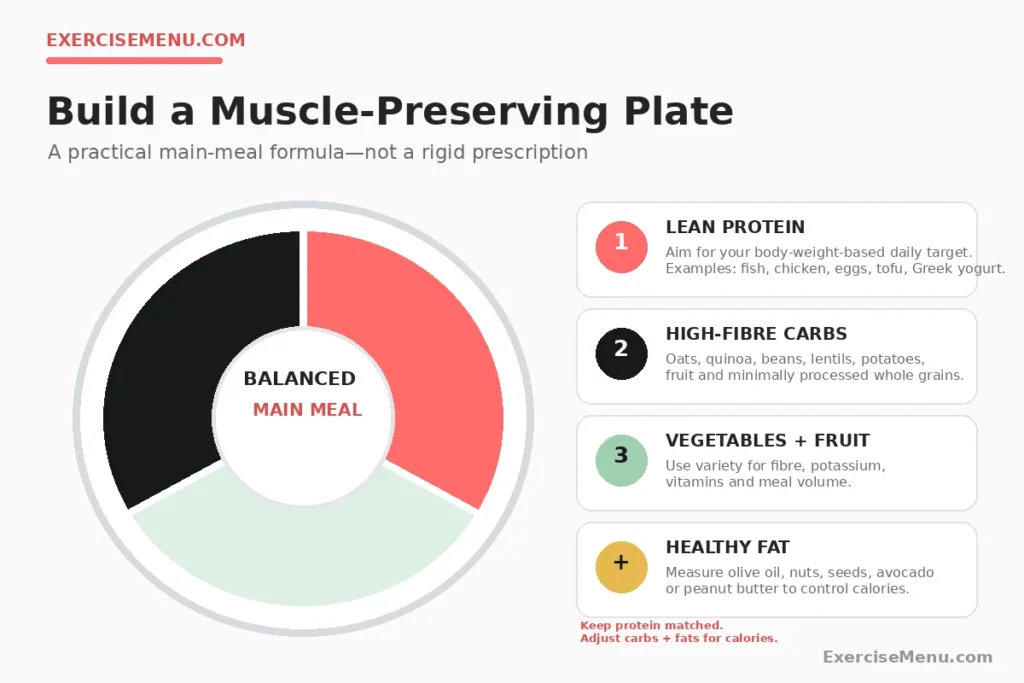
Figure 1. A practical way to assemble a protein-rich main meal while keeping calorie adjustments separate.
Should protein be spread across the day?
The menu places protein at breakfast, lunch, dinner and one or two snacks. This makes the daily amount easier to reach without relying on one unusually large evening meal.
Evidence does not identify one perfect distribution pattern. A small controlled feeding study found higher 24-hour muscle protein synthesis with an even intake [3], but an eight-week trial in older adults found no difference in lean mass, strength or function between even and uneven patterns [4]. Use the pattern that helps you eat consistently.
Why calories and resistance training still matter
Protein cannot fully protect muscle if total energy intake stays too low. Persistent fatigue, falling gym performance, unintended weight loss, poor sleep, or slow recovery can signal that the calorie target needs review.
The U.S. Physical Activity Guidelines recommend muscle-strengthening activity on at least two days each week [5]. Use a structured routine and apply gradual progression; ExerciseMenu’s Training Principles guide and Progressive Overload guide explain the training side.
What the 1,800-calorie plan provides
| Daily feature | Approximate target |
| Energy | About 1,800 calories |
| Protein | 124–136 g before individual adjustment |
| Fibre | About 30–35 g; increase gradually if your usual intake is low |
| Meals | Three main meals and two snacks |
| Protein pattern | Protein included across the day |
| Food pattern | Mostly minimally processed, Mediterranean-style omnivore foods |
The current Dietary Guidelines for Americans emphasise whole, nutrient-dense foods including protein foods, dairy, vegetables, fruit, healthy fats, and whole grains while reducing highly processed foods, excess sodium, added sugar, and unhealthy fats [6]. This plan follows that broad pattern.
How were the calorie and protein estimates checked?
Each daily total is the arithmetic sum of its listed meals. The meal ranges were also compared with representative MyFitnessPal high-protein recipe results: roughly 350–500 calories and 25–45 g protein for breakfast, 400–600 calories and 30–50 g for lunch, and 450–650 calories and 30–50 g for dinner. Custom meal totals remain estimates, not laboratory analysis or personalised targets.
7-Day Diet Plan for Adults Over 40: Daily Menu
Portions are for one adult. Meat, poultry, fish, grains and legumes are listed as cooked or ready-to-eat weights unless stated otherwise. Calories and protein are rounded estimates; brands, drained weight, cooking method and serving accuracy can change the result.
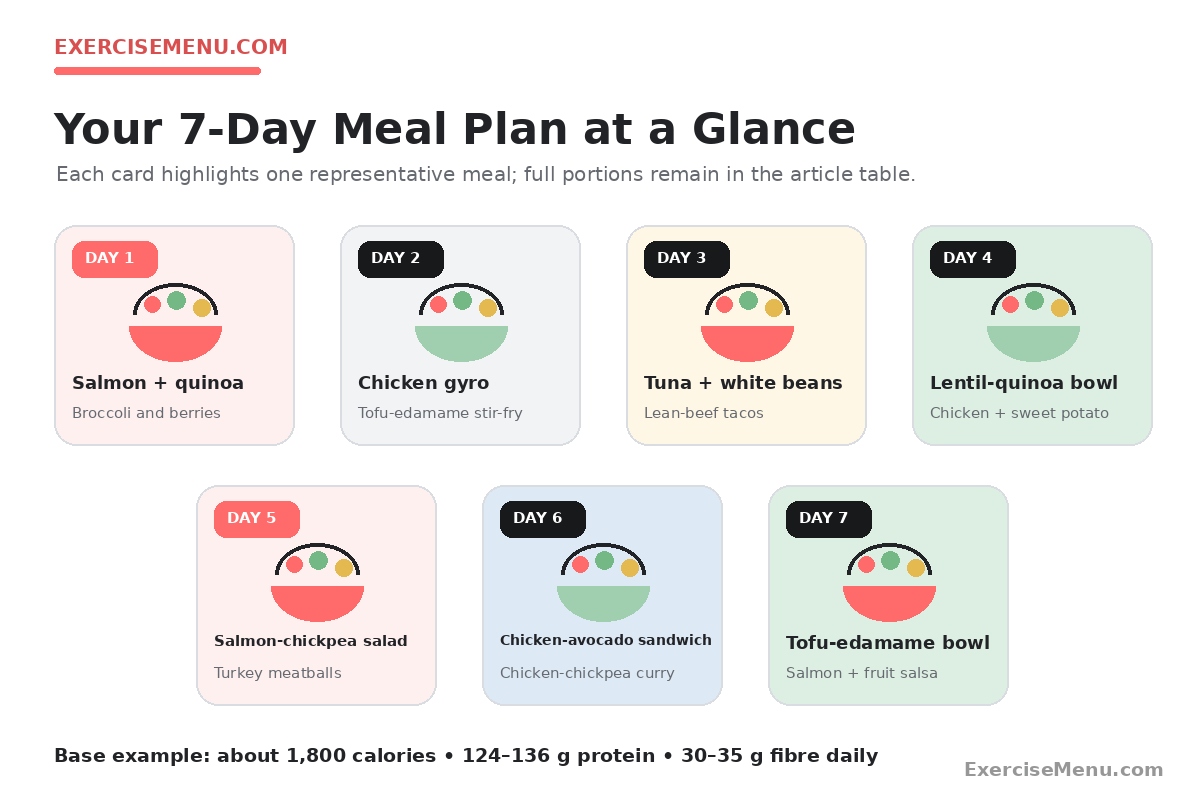
Figure 2. Representative meals from the seven-day plan; use the tables below for exact portions.
Day 1
Salmon and chicken provide high-quality protein; oats, berries, chia, quinoa, and broccoli raise fibre without relying on a supplement.
| Meal | Food and portion | Calories | Protein |
| Breakfast | Greek-yogurt oat bowl: 250 g plain 0–2% Greek yogurt, 40 g rolled oats, 100 g berries, 1 tbsp chia, cinnamon | 410 | 32 g |
| Snack 1 | 1 medium apple with 1 tbsp natural peanut butter | 190 | 4 g |
| Lunch | Reduced-sodium teriyaki chicken salad: 120 g chicken breast, greens, tomato, cucumber, ¼ avocado, ½ cup pineapple, light teriyaki-lime dressing | 450 | 40 g |
| Snack 2 | 150 g low-fat cottage cheese with 100 g berries | 160 | 18 g |
| Dinner | 150 g salmon, ¾ cup cooked quinoa, 2 cups broccoli, 1 tsp olive oil | 590 | 42 g |
| Daily total | Approximate fibre: 34 g | 1,800 | 136 g |
Day 2
A chicken gyro keeps lunch portable, while tofu and edamame supply a complete plant-protein dinner.
| Meal | Food and portion | Calories | Protein |
| Breakfast | 2 eggs plus 100 g egg whites, 1 slice whole-grain toast, ¼ avocado, tomatoes, and berries | 450 | 32 g |
| Snack 1 | 150 g plain Greek yogurt, 1 kiwi, and 1 tsp mixed seeds | 160 | 16 g |
| Lunch | Chicken gyro: whole-grain pita, 120 g chicken breast, lettuce, pepper, onion, cucumber, and yogurt-dill sauce | 500 | 42 g |
| Snack 2 | 50 g hummus with carrots and cucumber | 190 | 5 g |
| Dinner | Stir-fry with 180 g extra-firm tofu, 80 g shelled edamame, ½ cup brown rice, and 2 cups mixed vegetables | 520 | 30 g | 500 | 30 g |
| Daily total | Approximate fibre: 33 g | 1,820 | 125 g |
Day 3
Protein oats correct the low-protein breakfast problem; beans, whole grains, fruit, and vegetables support fibre intake.
| Meal | Food and portion | Calories | Protein |
| Breakfast | Protein oats: 50 g oats, 250 ml low-fat milk, 20 g whey or soy-pea protein, ½ banana, and 1 tsp ground flax | 470 | 32 g |
| Snack 1 | 1 pear and 15 g walnuts | 200 | 3 g |
| Lunch | Tuna-white bean salad: 1 can tuna in water, ½ cup white beans, leafy vegetables, tomato, lemon, and ½ whole-grain pita | 465 | 43 g |
| Snack 2 | 250 ml plain kefir or fortified high-protein soy drink | 150 | 10 g |
| Dinner | Two lean-beef tacos with corn tortillas, 120 g lean beef, ⅓ cup black beans, cabbage, salsa, and avocado | 515 | 40 g |
| Daily total | Approximate fibre: 34 g | 1,800 | 128 g |
Day 4
The day combines dairy, legumes, poultry, and vegetables instead of depending on a single large meat serving.
| Meal | Food and portion | Calories | Protein |
| Breakfast | 200 g low-fat cottage cheese with 30 g oats, 100 g berries, and 1 tbsp chia | 390 | 31 g |
| Snack 1 | 1 hard-boiled egg and 1 orange | 135 | 6 g |
| Lunch | Lentil-quinoa chicken bowl: 70 g chicken, ½ cup lentils, ½ cup quinoa, spinach, peppers, cucumber, and lemon-herb dressing | 520 | 36 g |
| Snack 2 | 170 g plain Greek yogurt with 15 g pumpkin seeds | 185 | 21 g |
| Dinner | 140 g chicken breast, 250 g baked sweet potato, 2 cups green beans, and 2 tsp olive oil | 570 | 40 g |
| Daily total | Approximate fibre: 35 g | 1,800 | 134 g |
Day 5
A protein-rich quesadilla and canned-salmon lunch make the plan practical without processed breakfast meat.
| Meal | Food and portion | Calories | Protein |
| Breakfast | Spinach breakfast quesadilla: 2 eggs, 100 g egg whites, spinach, pepper, 20 g feta, 1 whole-wheat tortilla, and salsa | 440 | 33 g |
| Snack 1 | 1 banana with 15–20 g whey or plant protein mixed with water | 170 | 14 g |
| Lunch | Canned-salmon chickpea salad: 100 g salmon, ½ cup chickpeas, greens, cucumber, tomato, lemon, 1 tsp olive oil, and 1 small whole-grain pita | 480 | 32 g |
| Snack 2 | ¾ cup shelled edamame with lemon or paprika | 150 | 15 g |
| Dinner | Lean turkey meatballs, 1 cup whole-wheat spaghetti, tomato sauce, and a side salad | 560 | 39 g |
| Daily total | Approximate fibre: 32 g | 1,800 | 133 g |
Day 6
The menu uses a higher-protein breakfast and two moderate chicken portions rather than saving nearly all protein for dinner.
| Meal | Food and portion | Calories | Protein |
| Breakfast | 250 g plain Greek yogurt with 50 g unsweetened muesli, 100 g berries, and 1 tsp chia | 420 | 33 g |
| Snack 1 | 150 g low-fat cottage cheese with 100 g pineapple | 200 | 19 g |
| Lunch | Chicken-avocado sandwich: 75 g chicken, 2 slices whole-grain bread, avocado, tomato, cucumber, greens, and yogurt-mustard spread | 500 | 38 g |
| Snack 2 | 1 orange and 15 g almonds | 160 | 4 g |
| Dinner | Chicken-chickpea curry: 80 g chicken, ½ cup chickpeas, spinach and tomato curry, and ¾ cup brown rice | 520 | 38 g |
| Daily total | Approximate fibre: 32 g | 1,800 | 132 g |
Day 7
The final day includes a plant-protein lunch and an oily-fish dinner, with vegetables and fruit spread across the day.
| Meal | Food and portion | Calories | Protein |
| Breakfast | Vegetable omelette: 2 eggs, 100 g egg whites, mushrooms, spinach, tomato, 1 slice whole-grain toast, and fruit | 420 | 32 g |
| Snack 1 | 250 ml plain kefir or fortified soy drink with 100 g berries | 170 | 12 g |
| Lunch | Tofu-edamame quinoa bowl: 150 g tofu, 80 g edamame, ½ cup quinoa, mixed vegetables, and lemon-tahini dressing | 520 | 34 g |
| Snack 2 | 1 small apple with 28 g reduced-fat cheese | 170 | 8 g |
| Dinner | 150 g salmon with peach-corn salsa, ½ cup cooked whole grain, 60 g white beans, and a large green salad | 560 | 38 g |
| Daily total | Approximate fibre: 35 g | 1,840 | 124 g |
How to adjust the 1,800-calorie plan
Calorie needs cannot be set from age alone. Height, body weight, sex, training volume, occupation, medication, and the goal of maintaining, gaining, or losing weight all matter.
| Daily level | Change from the base plan | Practical adjustment |
|---|---|---|
| About 1,600 | Remove about 200 calories | Only when individually appropriate: keep the calculated protein target, but remove one measured fat serving and reduce one grain portion. Persistent hunger or weaker training means this may be too low. |
| About 1,800 | Use the plan as written | Check body-weight trend, appetite, training performance, and recovery for two to three weeks. |
| About 2,000 | Add about 200 calories | Add a banana and 200–250 ml low-fat milk or fortified soy drink. |
| About 2,200 | Add about 400 calories | Add one cup cooked rice or quinoa, 170 g yogurt or soy yogurt, and 15 g nuts. |
| About 2,400 | Add about 600 calories | Add one cup cooked rice or quinoa, 170 g yogurt or soy yogurt, 15 g nuts, and two slices of whole-grain bread or another measured starch serving. |
| About 2,600 | Add about 800 calories | Add one cup cooked rice or quinoa, 170 g yogurt or soy yogurt, 15 g nuts, two slices of whole-grain bread, one piece of fruit, and one measured serving of nut butter or olive oil. |
| Muscle-preservation rule Change calories mainly through measured carbohydrate and fat portions after protein has been set. Do not force the 1,600-calorie version simply because it looks more ‘disciplined.’ Chronic under-fuelling can work against strength, recovery, and muscle retention. |
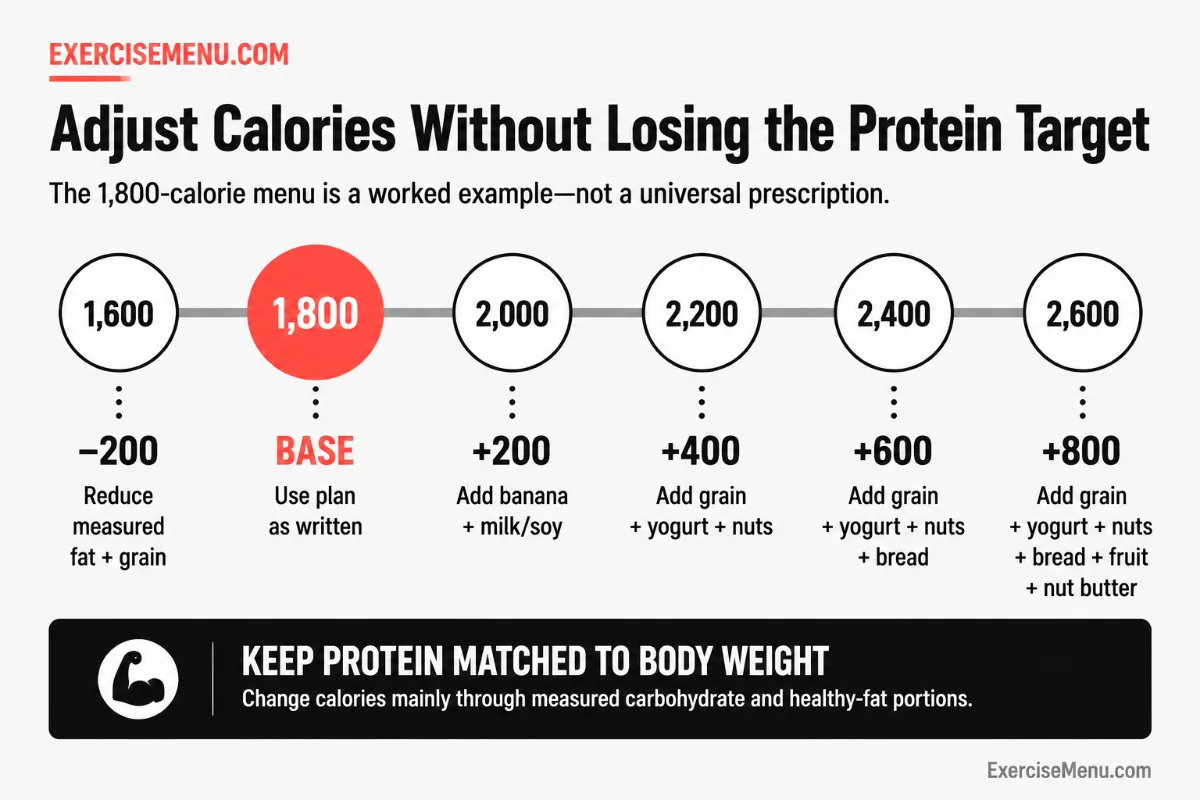
Figure 3. Adjust calories mainly through measured carbohydrate and healthy-fat portions after setting protein.
How to tell whether the calorie level fits
- Your body weight remains broadly stable when maintenance is the goal.
- Strength and normal training performance do not steadily decline.
- Hunger, sleep, mood, and recovery remain manageable.
- You are not losing weight unintentionally or repeatedly skipping food because the plan is too complicated.
If weight changes in the wrong direction for two to three weeks, adjust by roughly 100–200 calories and reassess. Large or unexplained changes need professional evaluation.
Vegetarian and dairy-free swaps
Match the protein contribution rather than the meal’s appearance. Plant alternatives often need a larger portion or a combination of foods.
| Original food | Practical alternative | Important difference |
| 120 g chicken breast | 180 g extra-firm tofu plus 75 g edamame | Calories and fibre may be higher; check soy tolerance. Plant proteins contain less leucine per gram than poultry, so hitting the total protein target consistently matters more on a plant-based pattern. |
| 150 g salmon | About 200 g tempeh | Tempeh replaces protein but not the same EPA/DHA omega-3 contribution. |
| 120 g lean beef or turkey | 150 g seitan plus ⅓ cup beans | Not suitable for gluten-free diets; sodium varies by brand. |
| Greek yogurt or cottage cheese | Fortified high-protein soy yogurt plus measured soy/pea protein when needed | Check calcium, vitamin D, added sugar, and protein on the label. |
| Whey powder | Soy isolate or a pea-rice protein blend | Choose a product with third-party testing when available. |
| Low-fat milk or kefir | Unsweetened fortified soy drink | Many oat, almond, and coconut drinks are too low in protein to count as an equal swap. |
Nutrients that deserve attention after 40
| Nutrient focus | What to check |
| Calcium and vitamin D | Calcium: 1,000 mg/day for adults 19–50 and men 51–70; 1,200 mg/day for women 51–70 and all adults over 70. Use dairy or fortified alternatives, calcium-set tofu, leafy vegetables, and individual vitamin D assessment. |
| Vitamin B12 | Animal foods and fortified products supply B12. Absorption from food can decline after 50; vegans need a reliable fortified source or supplement after professional advice. |
| Fibre and fluids | The menu estimates 30–35 g fibre daily. Increase gradually if current intake is low and drink regularly unless a clinician has prescribed a fluid restriction. |
| Sodium and saturated fat | Use reduced-sodium sauces, rinse canned beans, favour unsaturated fats, and keep butter, fatty meat, cheese, and highly processed foods as smaller parts of the pattern. |
| Creatine | Creatine monohydrate (3–5 g/day) is one of the most studied supplements for supporting muscle strength and lean mass in older adults. It is not essential and works best alongside resistance training. Discuss with a healthcare professional if you have kidney concerns or take medication that affects renal function. |
Reference values and age-related notes: NIH Calcium Fact Sheet [7] and National Institute on Aging vitamin guidance [8].
One-week shopping list
Quantities are rounded for one adult following the base plan. Package sizes and edible yields vary, so compare this list with the meal table before shopping.
| Category | Suggested quantity for the week |
| Dairy and alternatives | Plain Greek yogurt 1 kg; low-fat cottage cheese 500 g; plain kefir or fortified soy drink 750 ml; low-fat milk 500 ml; reduced-fat cheese 30 g; feta 20 g |
| Eggs and egg whites | 7 large eggs; about 300 g pasteurised liquid egg whites |
| Poultry | About 800 g raw chicken breast (yields roughly 600 g cooked); 150–200 g lean ground turkey |
| Fish and meat | Salmon about 400 g; 1 can tuna in water; 120–150 g lean beef |
| Plant proteins | Extra-firm tofu 300 g; shelled edamame 250 g; chickpeas 2 cans; white beans 1 can; black beans 1 can; lentils 1 can or equivalent cooked |
| Grains and starches | Rolled oats 150 g; muesli 50 g; quinoa 150 g dry; brown rice 150 g dry; whole-grain bread 1 small loaf; whole-grain pita 3; corn tortillas 2; whole-wheat tortilla 1; whole-wheat spaghetti 80–100 g dry; sweet potato 250 g |
| Fruit | Apples 3; bananas 2; pears 1; oranges 3; kiwi 1; berries about 800 g; pineapple 100 g; peaches 1–2; lemons/limes 4 |
| Vegetables | Leafy greens 500–700 g; broccoli 2 heads or 500 g; green beans 300 g; tomatoes 8; cucumbers 3; peppers 5; carrots 5; mushrooms 200 g; cabbage ½ head; onions 4; spinach 400 g; mixed stir-fry vegetables 500 g |
| Fats, seeds, and extras | Olive oil; natural peanut butter; walnuts 15 g; almonds 15 g; chia seeds about 40 g; pumpkin seeds 15 g; tahini; hummus 50 g; herbs, spices, salsa, reduced-sodium teriyaki sauce |
| Optional protein supplement | A small amount of whey, soy, or pea-rice protein; only needed where shown or to meet an individual target |
A practical meal-prep routine
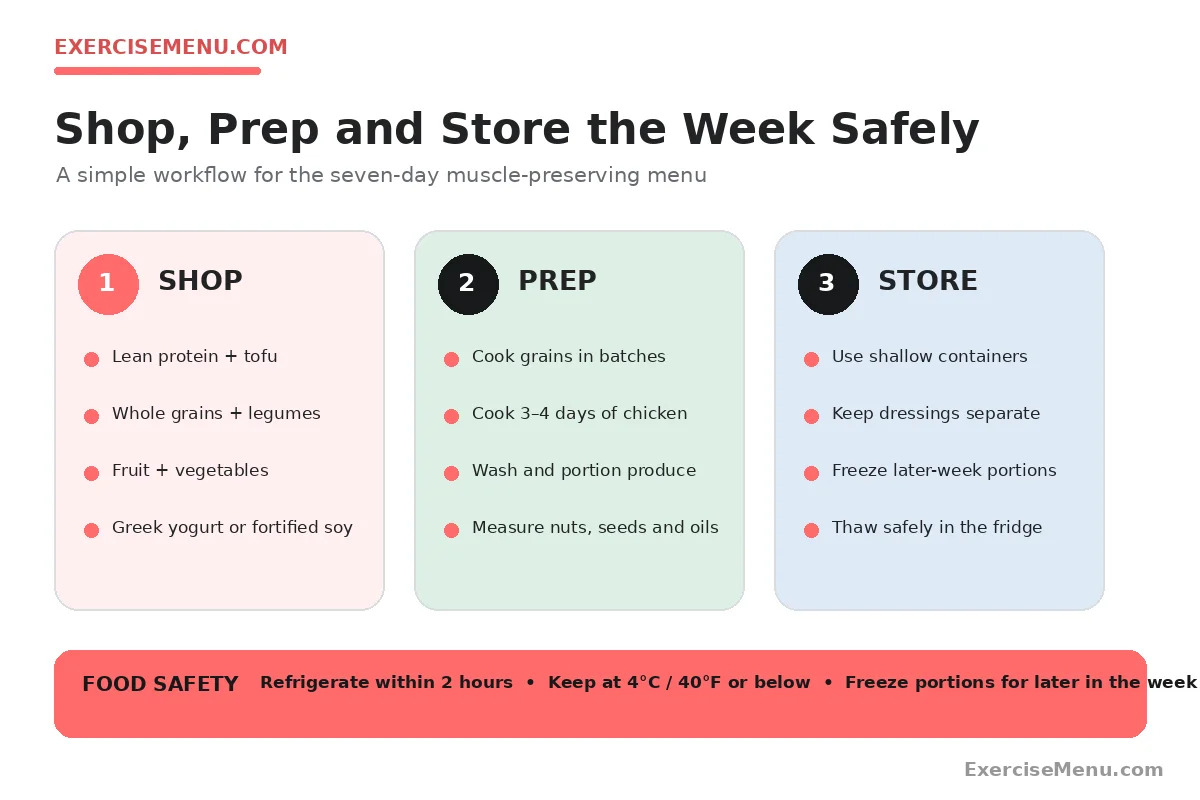
Figure 4. Shop, prepare and store the weekly menu safely.
1. Cook a batch of quinoa and brown rice. Cool it promptly in shallow containers.
2. Bake or grill enough chicken for the first three to four days. Freeze later-week portions instead of holding all cooked poultry in the refrigerator for seven days.
3. Wash and dry salad greens, chop durable vegetables, and keep dressings separate so meals do not become soggy.
4. Portion nuts, seeds, hummus, yogurt, and cottage cheese. Measuring calorie-dense foods prevents accidental large changes to the plan.
5. Prepare the second half of the week midweek or thaw frozen portions safely in the refrigerator.
Refrigerate perishable food within two hours and keep the refrigerator at or below 40°F/4°C, following FDA storage guidance [9]. Cooked leftovers are generally used within three to four days; freeze portions intended for later in the week.
Frequently asked questions
Is 1,800 calories enough for every adult over 40?
No. It may be appropriate for some smaller or less-active adults and too low for many active people, particularly larger men and women with high training volumes. Use the adjustment table and monitor weight, performance, hunger, and recovery.
Can this plan help me lose fat without losing muscle?
The base plan is written for muscle preservation, not guaranteed fat loss. A modest calorie deficit, adequate protein, and resistance training can reduce the risk of lean-mass loss, but no diet can promise that all lost weight will be fat. Rimsha or another qualified professional should set the deficit for anyone with clinical risk factors.
Do I need protein powder?
No. Protein powder is a convenience, not a requirement. Dairy, eggs, fish, poultry, lean meat, soy, and legumes can cover the target. Use a supplement only when it makes the plan easier and fits your health needs.
Is more than 1.6 g/kg of protein better?
Not automatically. Evidence in resistance-trained adults suggests diminishing benefit around 1.6 g/kg/day. Higher intake may be used in specific sports or diet phases, but it should not displace fibre-rich carbohydrate, healthy fat, or key micronutrients.
Can I use this plan if I have diabetes?
Do not use the generic version to change medication or insulin. The carbohydrate amount and timing need to match your treatment, glucose response, activity, and medical history. A personalised plan is the safer route.
What if I have kidney disease?
Protein, potassium, phosphorus, sodium, and fluid needs can change with kidney disease. Do not apply the high-protein target without guidance from the clinician or renal dietitian managing your care.
Will this diet preserve muscle without strength training?
It may help correct low protein or calorie intake, but diet alone cannot replace the muscle stimulus from resistance exercise. Train all major muscle groups at least twice per week when medically appropriate, and progress gradually.
The bottom line
Preserving muscle after 40 does not depend on a special anti-ageing food. The useful combination is enough total energy, an appropriate body-weight-based protein target, mostly nutrient-dense foods and consistent resistance training.
Use the 1,800-calorie week as a template, not a prescription. Set protein first, then adjust grain, fruit, dairy or fortified alternatives, and healthy-fat portions until body weight, strength, hunger and recovery are moving in the intended direction.
If you need individual calories, medical-condition adjustments, or a plan built around your own foods, contact ExerciseMenu’s Nutrition & Diet Service.
| Medical disclaimer This article provides general nutrition education for generally healthy adults. It does not diagnose, treat or prevent disease and does not replace care from a physician or qualified nutrition professional. Nutrition values are estimates; individual requirements, medications and food tolerances vary. |
References
1. Morton RW et al. A systematic review, meta-analysis and meta-regression of the effect of protein supplementation on resistance training-induced gains in muscle mass and strength in healthy adults. Br J Sports Med. 2018;52(6):376–384. doi:10.1136/bjsports-2017-097608.
2. Biersteker EJM et al. Effect of a protein intervention during resistance training with varying training intensities on muscle outcomes in frail community-dwelling older adults: a randomized controlled trial. J Nutr Health Aging. 2026;30(6):100838. doi:10.1016/j.jnha.2026.100838.
3. Mamerow MM et al. Dietary protein distribution positively influences 24-h muscle protein synthesis in healthy adults. J Nutr. 2014;144(6):876–880. doi:10.3945/jn.113.185280.
4. Kim IY et al. Protein intake distribution pattern does not affect anabolic response, lean body mass, muscle strength or function over 8 weeks in older adults: a randomized-controlled trial. Clin Nutr. 2018;37(2):488–493. doi:10.1016/j.clnu.2017.02.020.
5. U.S. Office of Disease Prevention and Health Promotion. Physical Activity Guidelines Questions & Answers. Updated 19 November 2025.
6. U.S. Department of Health and Human Services and U.S. Department of Agriculture. Dietary Guidelines for Americans, 2025–2030. 10th ed. January 2026.
7. National Institutes of Health, Office of Dietary Supplements. Calcium Fact Sheet for Consumers. Accessed 21 July 2026.
8. National Institute on Aging. Vitamins and Minerals for Older Adults. Accessed 21 July 2026.
9. U.S. Food and Drug Administration. Are You Storing Food Safely? Accessed 21 July 2026.
10. Deutz NEP et al. Protein intake and exercise for optimal muscle function with aging: recommendations from the ESPEN Expert Group. Clin Nutr. 2014;33(6):929–936. doi:10.1016/j.clnu.2014.04.007.
