
Dumbbell Lateral Raise
A standing dumbbell isolation exercise that raises the arms out to the sides to target the side delts.
BeginnerIsolationDumbbellsShoulders
Last updated: November 4, 2026
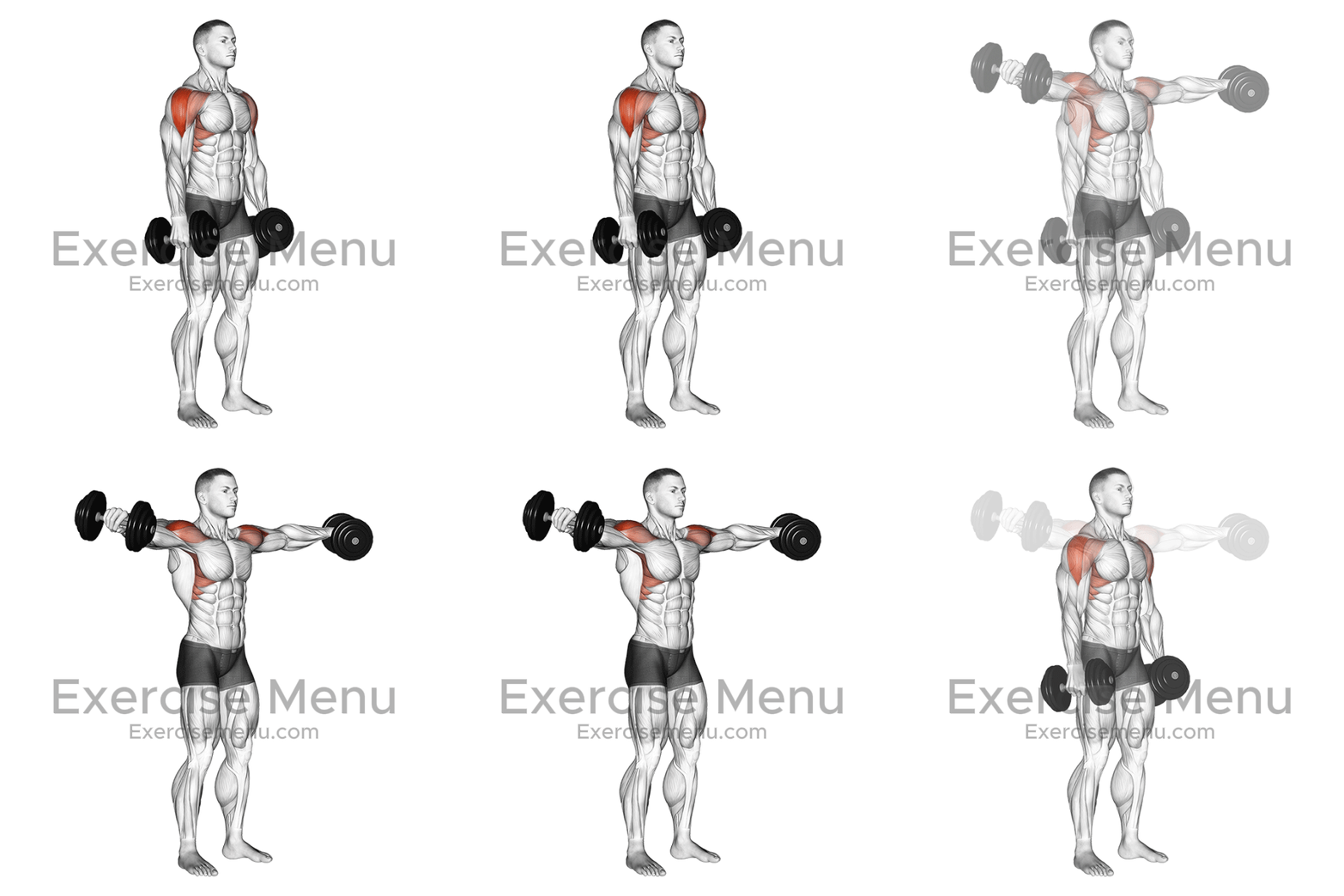
Exercise Profile
- Target Muscle
- Lateral Deltoid
- Body Part
- Shoulders
- Equipment
- Dumbbells
- Category
- Isolation
- Skill Level
- Beginner
- Movement
- Shoulder Abduction
- Also Known As
- Side Lateral Raise, Side Raise, Dumbbell Side Raise
- Est. Calories
- 2–4 kcal per setEstimate for a 70 kg person, 30–60 second set
Quick Answer
The dumbbell lateral raise is an isolation exercise for the side deltoids. Stand holding light dumbbells at your sides, keep a slight bend in your elbows, and raise your arms out to the sides until they reach shoulder height. Lower them slowly. Use 3 to 4 sets of 10 to 20 reps with a weight you can control.
How to Do the Dumbbell Lateral Raise
- 1
Stand tall
Stand with feet hip-width apart, holding a dumbbell in each hand at your sides. Brace your abs and keep your chest up.
- 2
Set your elbows
Keep a slight bend in your elbows and hold it for the whole set.
- 3
Raise out to the sides
Lift the dumbbells out to your sides in a wide arc, leading with your elbows.
- 4
Stop at shoulder height
Stop when your arms are about parallel to the floor, with palms facing down.
- 5
Lower slowly
Lower the dumbbells back to your sides over about 2 seconds without letting them drop.
What Muscles Does the Dumbbell Lateral Raise Work?
Primary
- Lateral Deltoidthe side of the shoulder, lifts the arm out to the side.
Secondary
- Anterior Deltoidassists, especially if the arms drift forward.
- Supraspinatusa rotator cuff muscle that helps start the raise.
- Upper Trapeziushelps rotate the shoulder blade upward near the top.
- Serratus Anteriorrotates and stabilizes the shoulder blade.
How Many Sets and Reps Should You Do?
| Goal | Sets | Reps | Rest |
|---|---|---|---|
| Muscle Growth | 3–4 | 10–15 | 60–90 sec |
| Strength | 3–4 | 8–10 | 90 sec |
| Endurance | 2–3 | 15–20 | 30–45 sec |
| Beginner | 2–3 | 12–15 | 60 sec |
Common Mistakes That Reduce Results
✕
Using Too Much Weight
Heavy dumbbells force you to swing and shrug. The side delts are small, so use a weight you can lift and lower under control.
✕
Swinging the Body
Rocking the torso to start each rep uses momentum instead of the shoulders. Keep your body still.
✕
Shrugging the Shoulders
Lifting the shoulders toward the ears shifts the work to the upper traps. Keep your shoulders down as you raise your arms.
✕
Lifting Too High Without Control
Raising well above shoulder height with a heavy weight often turns into a shrug. Stop around shoulder height unless you can go higher with control.
✕
Locked or Deeply Bent Elbows
Locked elbows strain the joint, and a deep bend shortens the lever and makes the exercise too easy. Keep a slight, fixed bend.
Tips for Better Results
✓
Lead with the Elbows
Thinking about pushing your elbows out to the walls keeps the side delts working.
✓
Raise Slightly in Front of the Body
Moving the arms a little forward of straight out to the side (the line of the shoulder blade) often feels more comfortable for the shoulders.
✓
Use Higher Reps
Light weights for 12–20 reps are common for this exercise because it is hard to control heavy loads.
✓
Try It Seated
Sitting on a bench reduces body swing if you struggle to keep your torso still.
Modifications and Progressions
▼ Easier
Try It Seated: Sitting on a bench reduces body swing if you struggle to keep your torso still.
Sitting removes leg drive and body swing, making strict form easier.
▼ Easier
Resistance Band Lateral Raise
A light band gives less resistance at the bottom and is easy to use at home.
▲ Harder
Cable Lateral Raise
The cable keeps tension on the side delt even at the bottom of the rep, where dumbbells provide little resistance.
▲ Harder
Lean-Away Lateral Raise
Holding a fixed support and leaning away changes the resistance curve so the side delts work harder at the bottom of the range.
Dumbbell Lateral Raise Alternatives
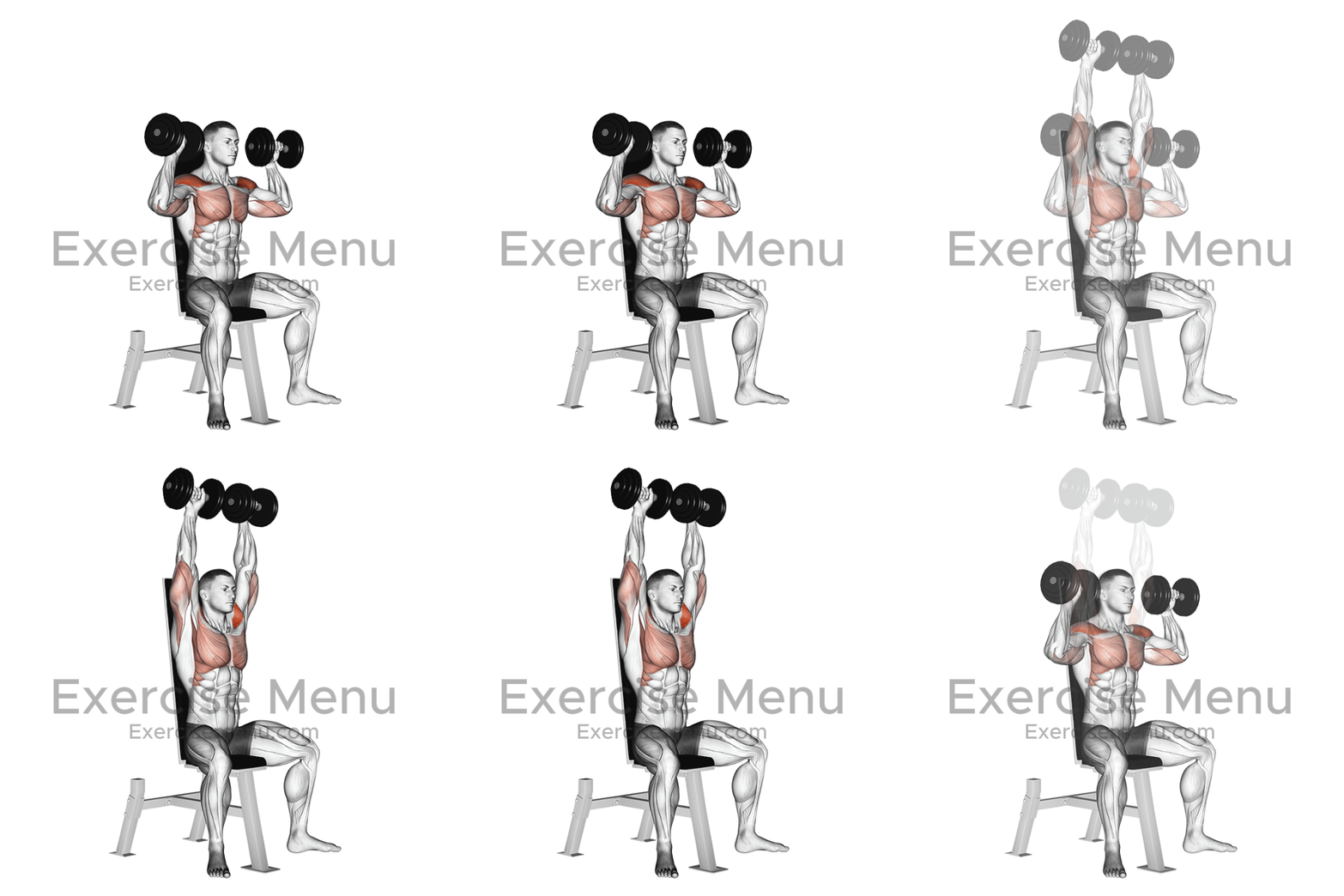 Dumbbell Seated Shoulder Press
Anterior Deltoid, Lateral Deltoid
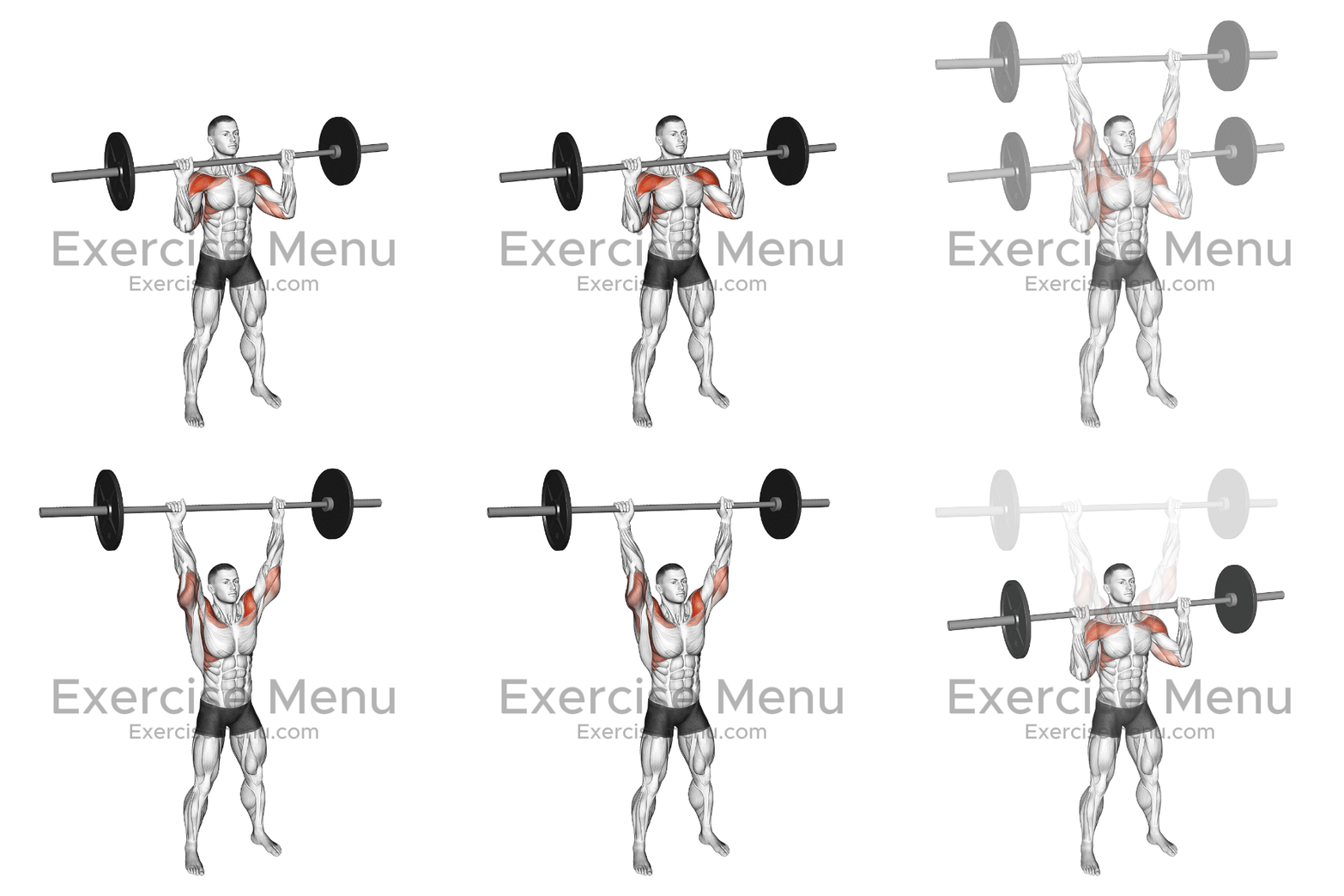 Barbell Overhead Press
Anterior Deltoid, Lateral Deltoid
Frequently Asked Questions
How heavy should lateral raises be?
Light enough to raise to shoulder height without swinging or shrugging, usually far less than you use for presses.
Should my thumbs point up or down?
Keep your palms facing down or your hands level. Turning the thumbs down ("pouring the jug") can irritate the shoulder in some people.
Do I need lateral raises if I do shoulder presses?
Presses mainly load the front delts. Lateral raises add direct work for the side delts, which build shoulder width.
How high should I raise the dumbbells?
About shoulder height. You can go a little higher if you can keep your shoulders down and the movement controlled.
Can I do lateral raises every day?
There is no need. Two to three sessions per week with rest days in between is enough for most lifters.
If you have an existing injury or medical condition, check with your doctor before adding this exercise to your training.